May 24, 2026

Reading your pet body language is essential when trying to improve the bonds between you and your fluffy friend. By paying attention to your pet’s actions and behavior, you can determine their emotions, desires, and needs. Pet body language is an intricate language, which comprises many elements, like tail language, ears, and other signs. Depending on whether you are keeping a cat, a dog, a horse, or some other type of a pet, there is always going to be body language you should study in order to better understand your pet.
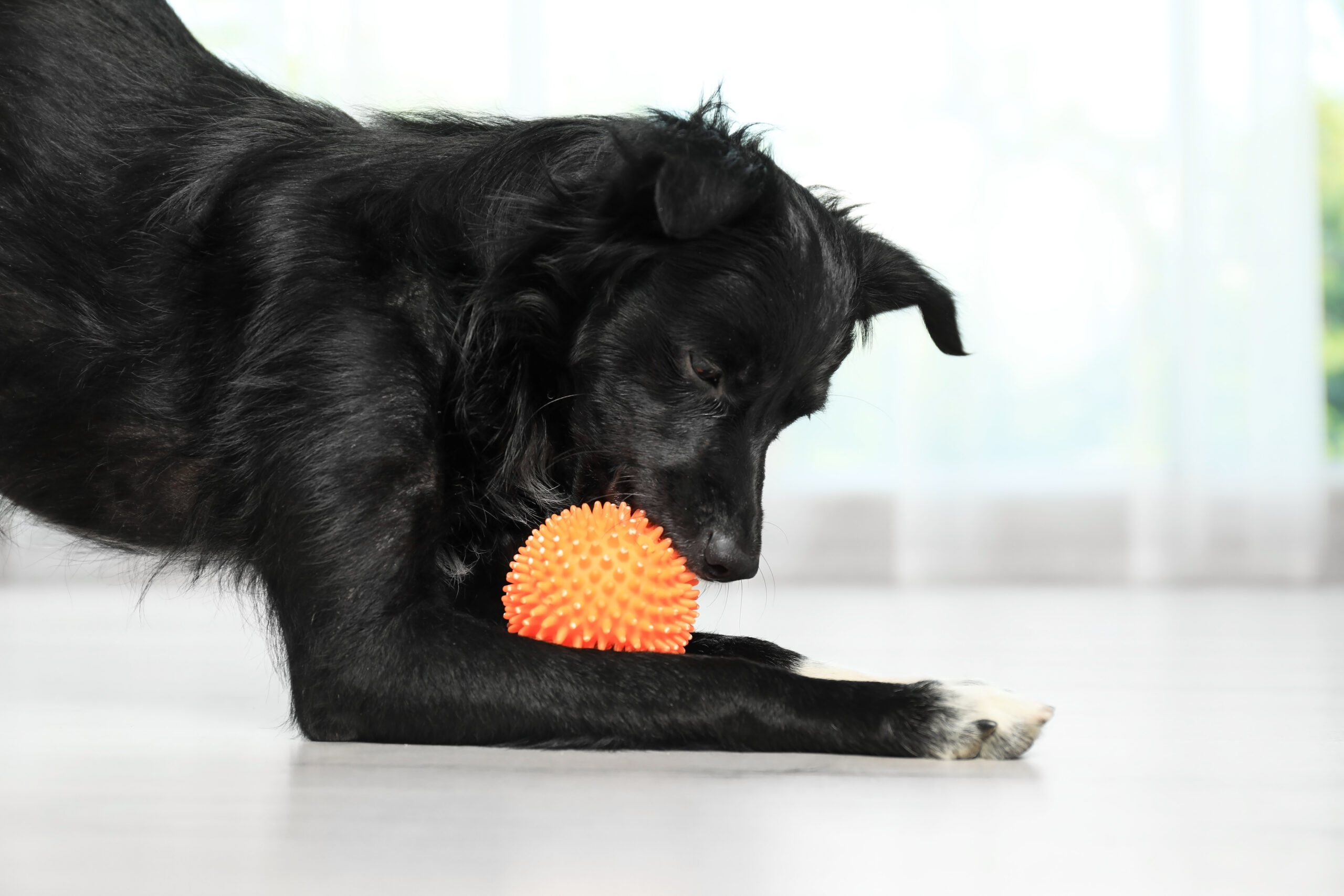
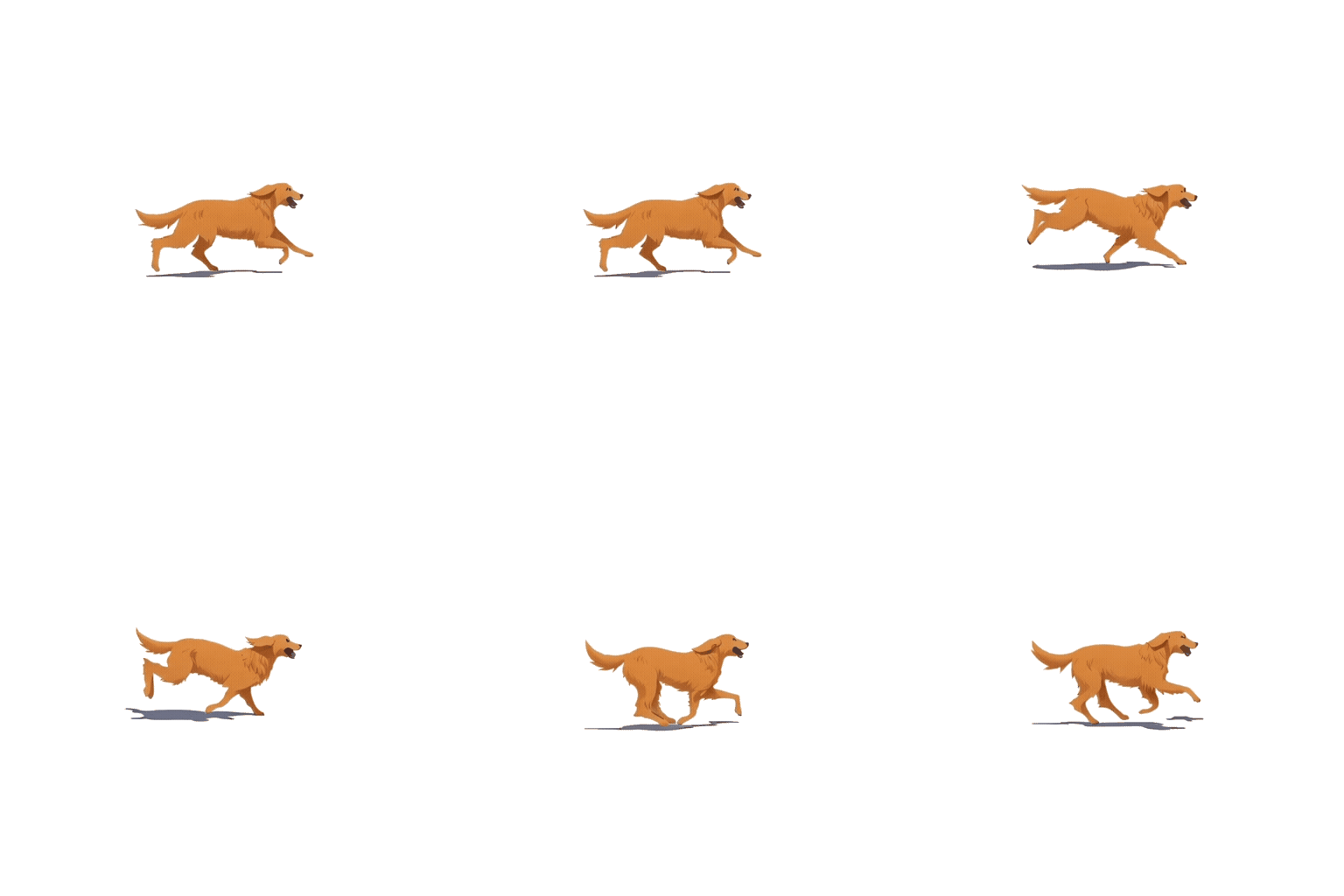
Just like other pets, dogs also use their body language to communicate with humans and other animals. It is important to watch their body language as it will enable you to learn what your pet feels or thinks. If, for example, your pet dog wags its tail, you can interpret this action as a sign of happiness or friendliness. In turn, a tucked tail is usually a sign of fear or anxiety. Also, ears position also tells you much about your pet’s mood – a lifted ear indicates confidence, while the other way around implies either fear or submission.
When interacting with your dog, try to observe his ears, face, and tail position as well as posture. Thus, if a dog stands in a comfortable and open position with raised head, erect tail and up ears, it most likely feels comfortable and happy. However, when ears go flat and tail is tucked between the legs, then you may assume that it feels anxious or frightened. By analyzing these signs, you can change your attitude towards your pet so as to meet his needs.
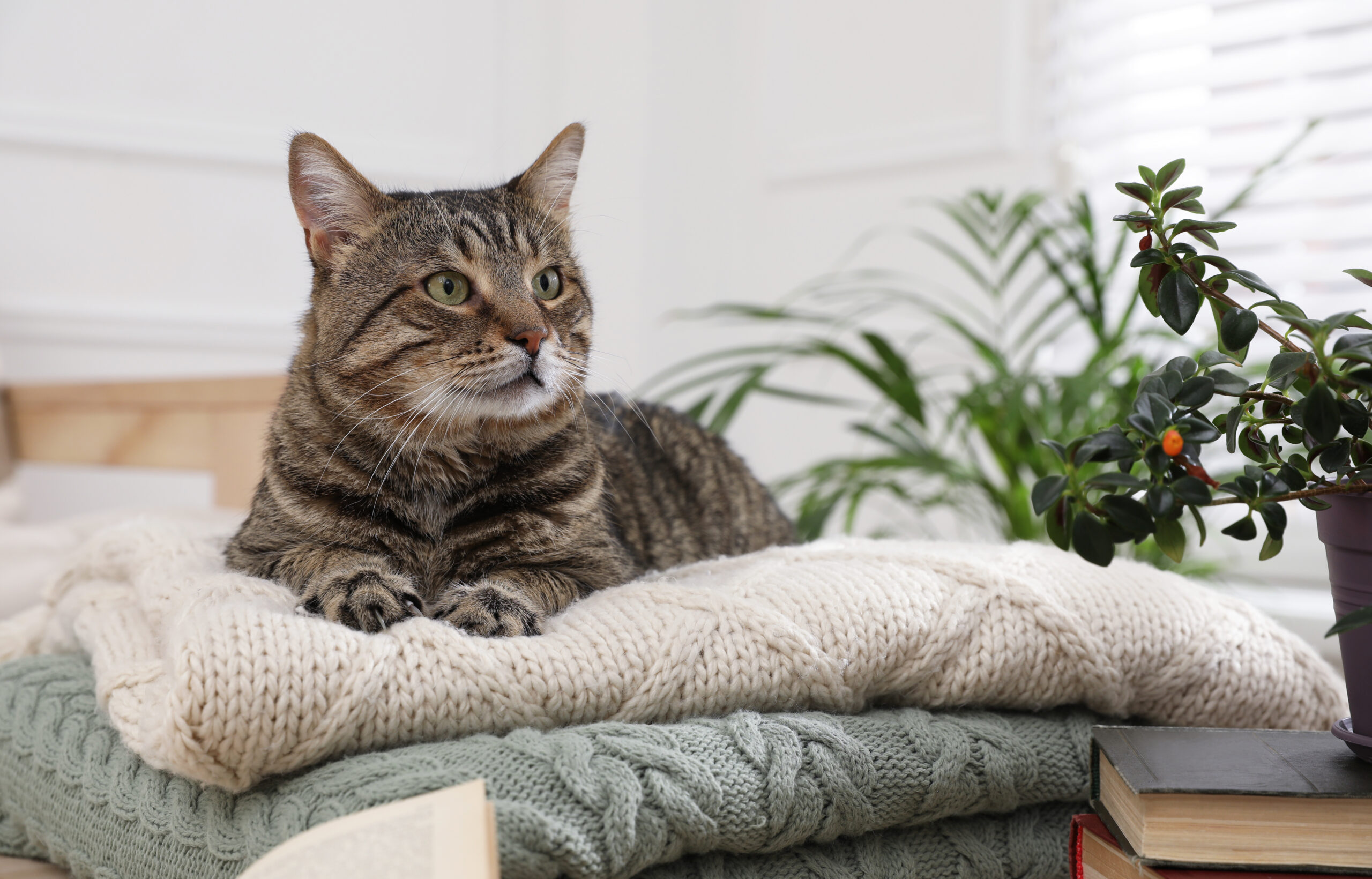
Just like dogs, cats utilize body language as a mean to express their feelings to humans. As cats do not tend to be social animals by nature as compared to dogs, they may sometimes be more difficult to approach but understanding feline body language is essential for building a good relationship. For example, tail language of a cat may indicate a lot about his mood – twitching tail means the pet feels irritated, while swishing tail signals happiness.
As mentioned above, a cat uses not only its tail but also posture and ears to signal its condition. If, therefore, your cat stands tall with up ears, a swishing tail, and raised head, it can be safely assumed that the animal feels happy and playful. However, a low posture with laid-back ears and tucked tail is a sign of fear or even aggression. Being able to identify and analyze cat’s body language will enable you to establish closer relationships with your pet.
It is widely known that horses are very perceptive animals sensitive even to the slightest changes of their owners’ behaviors and attitudes. That is why learning equine body language will allow you to understand what a horse feels at any particular moment. For instance, ears position can serve as a hint at the horse’s mood – a horse is confident when his ears are up, while being afraid or aggressive when ears are flattened.
Besides, you can learn something about your pet’s state based on its tail. For instance, the tail swishing is often associated with agitation and nervousness. At the same time, slow and deliberate tail movements may suggest irritability or even boredom. Paying attention to your horse’s ears, posture, and other signs, you can easily figure out what he needs and adjust your behavior accordingly.
Despite the lack of popularity among animal owners, small pets like hamsters, rabbits, and guinea pigs also use their bodies to communicate with humans and other animals. In contrast to cats or dogs, small animals are much less vocal, which explains the importance of watching and analyzing small animal body language in order to get familiar with your pet. For example, rabbits often signal their mood with their ears – upright position shows confidence, while the other way round suggests fear or submission.
In general, the body language of small animals can provide a lot of information about their current state and emotions. The same applies to guinea pigs, too, as you can learn a lot observing their posture, position of the head, tail movements, and the overall look of the animal. Thus, if a rabbit or a guinea pig stands comfortably with raised ears and a relaxed body, he is most likely happy, whereas a tense posture is a sign of anxiety or discomfort.
Finally, birds are known to use their body language to express various emotions. You should also pay attention to your feathered pet’s body language as it might be of help while trying to develop close relationships. Just like with other pets, ears position and tail feathers are the things to consider – a bird is relaxed when ears are raised, while laying-back ears mean he is fearful. As far as tail feathers are concerned, their raised position is the sign of excitement.
As was discussed earlier, the overall posture of a bird, his tail feathers, and facial features are worth observing when interacting with the pet. In case your feathered pet sits or stands comfortably with ears and tail up, you should know he feels happy or excited at the moment. However, low ears, lowered tail feathers, and tense posture may be a sign that the bird is nervous or afraid and requires special attention.
First of all, you need to understand the body language of your pet as it helps to improve communication and foster bonds. In other words, by reading your pet’s body language, you can better understand his current state and needs, so you will be able to adjust your attitude and behavior and thus create a favorable environment for your pet.
What is more, studying body language can actually help identify any health problems or other abnormalities and solve them in due course of time. In case, for example, your dog feels anxious and scared, this fact may actually indicate some health issues which need to be addressed as soon as possible. Hence, observing your pet’s behavior is of crucial importance.
To conclude, knowing the peculiarities of pet body language is very helpful for establishing close relations with your fluffy companion. By analyzing your pet’s body and facial gestures, you can determine his state of mind and thus act in accordance with his needs and desires.