May 23, 2026

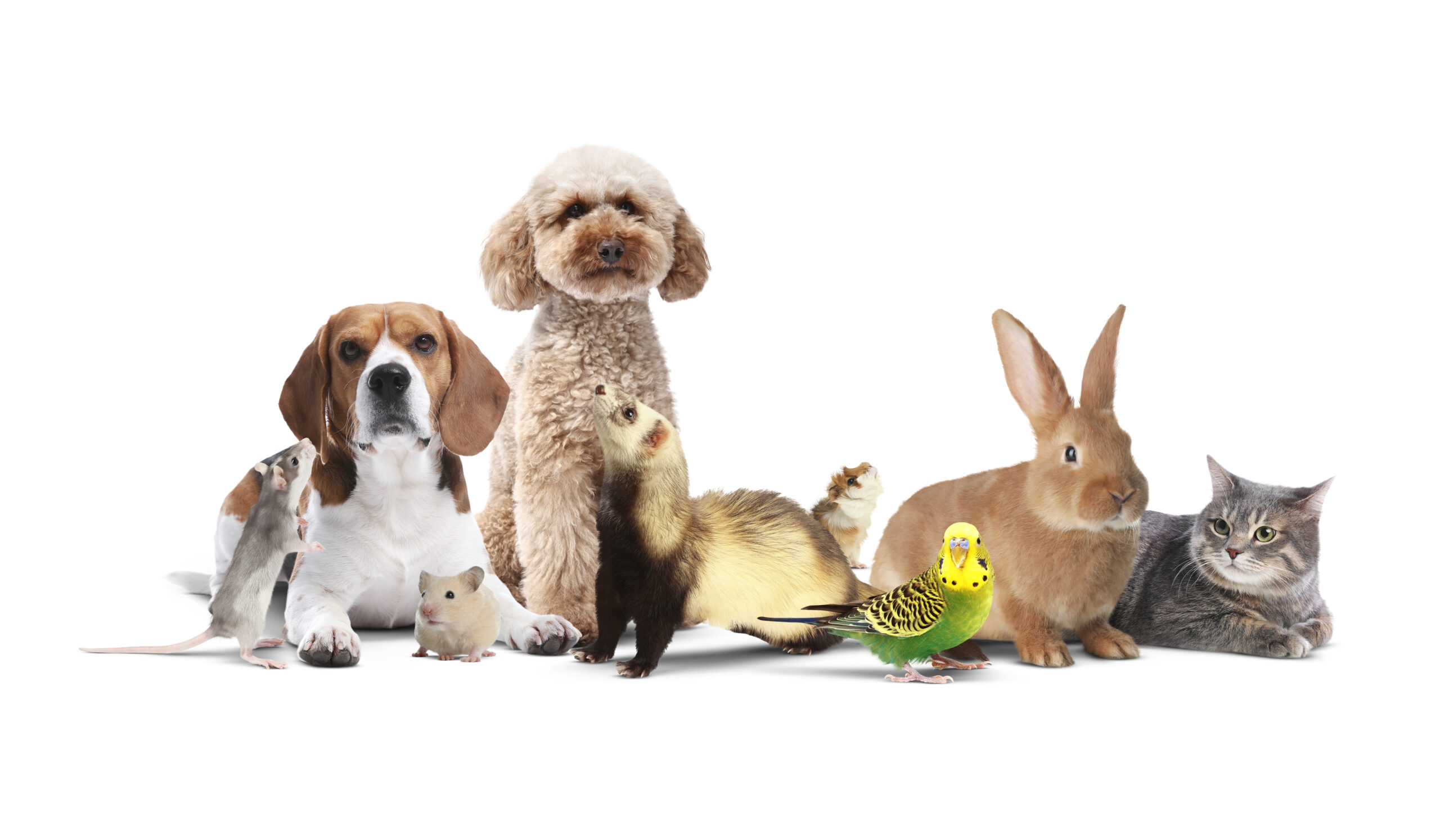
Exotic pets need much attention in terms of proper care and maintenance of their habitat. These unique creatures require special conditions to survive and stay healthy. In order to provide the best environment for any exotic creature, you need to know the peculiarities of its habitat. Whether your pet is a bird, a reptile, an invertebrate or some other unusual pet, there are certain rules of maintaining it properly.
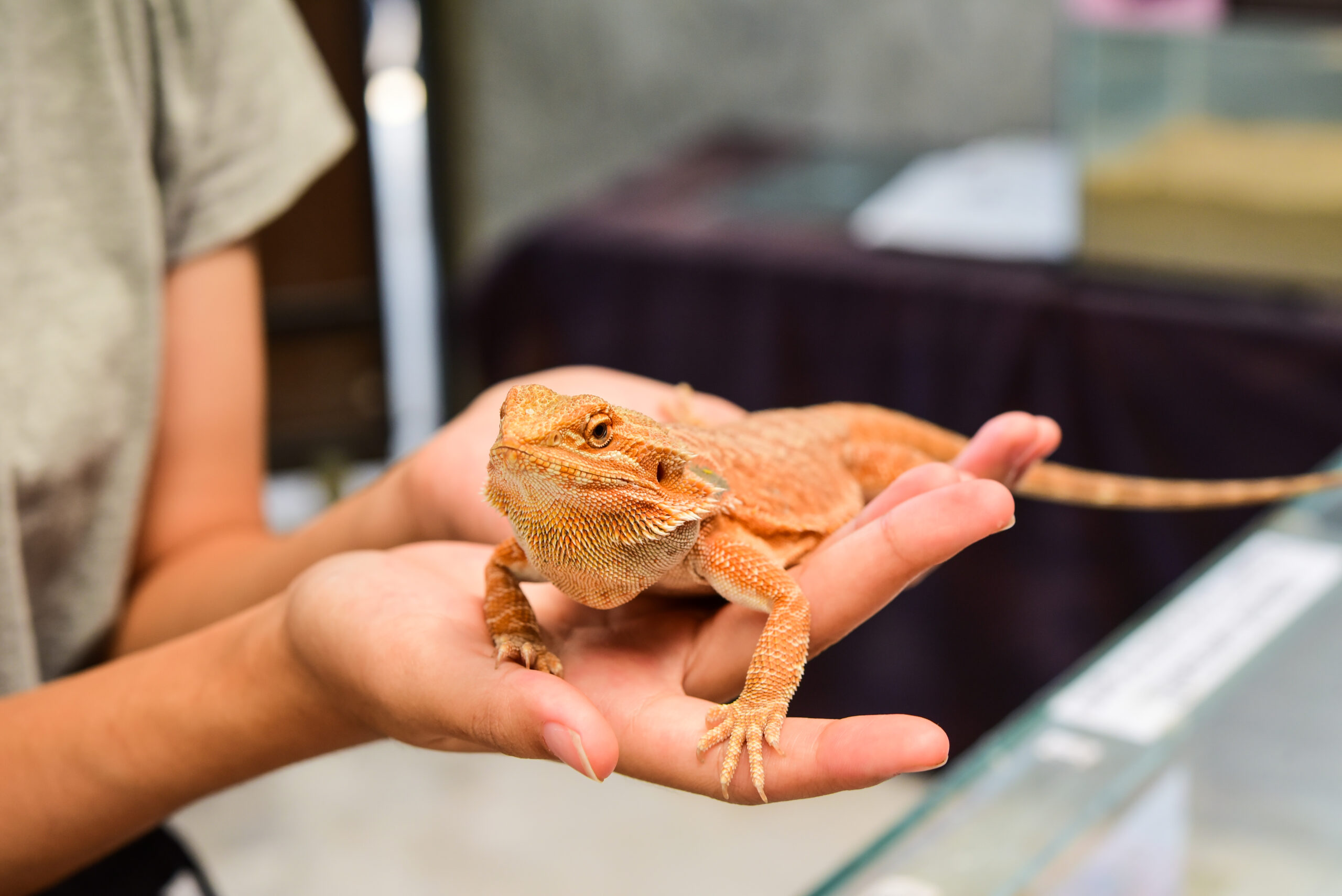
Before you start caring about your unique pet, you should find out all the information necessary for successful creation of habitat for him/her. First, you need to research the specific needs of your pet concerning food, temperature, humidity, light and other aspects of maintaining such an animal. For example, bearded dragon requires the temperature ranging from 75°F to 95°F, with the basking place having 100°F, whereas ball python requires 75°-85°F. Knowing all these things will allow you to create the perfect conditions for your pet.
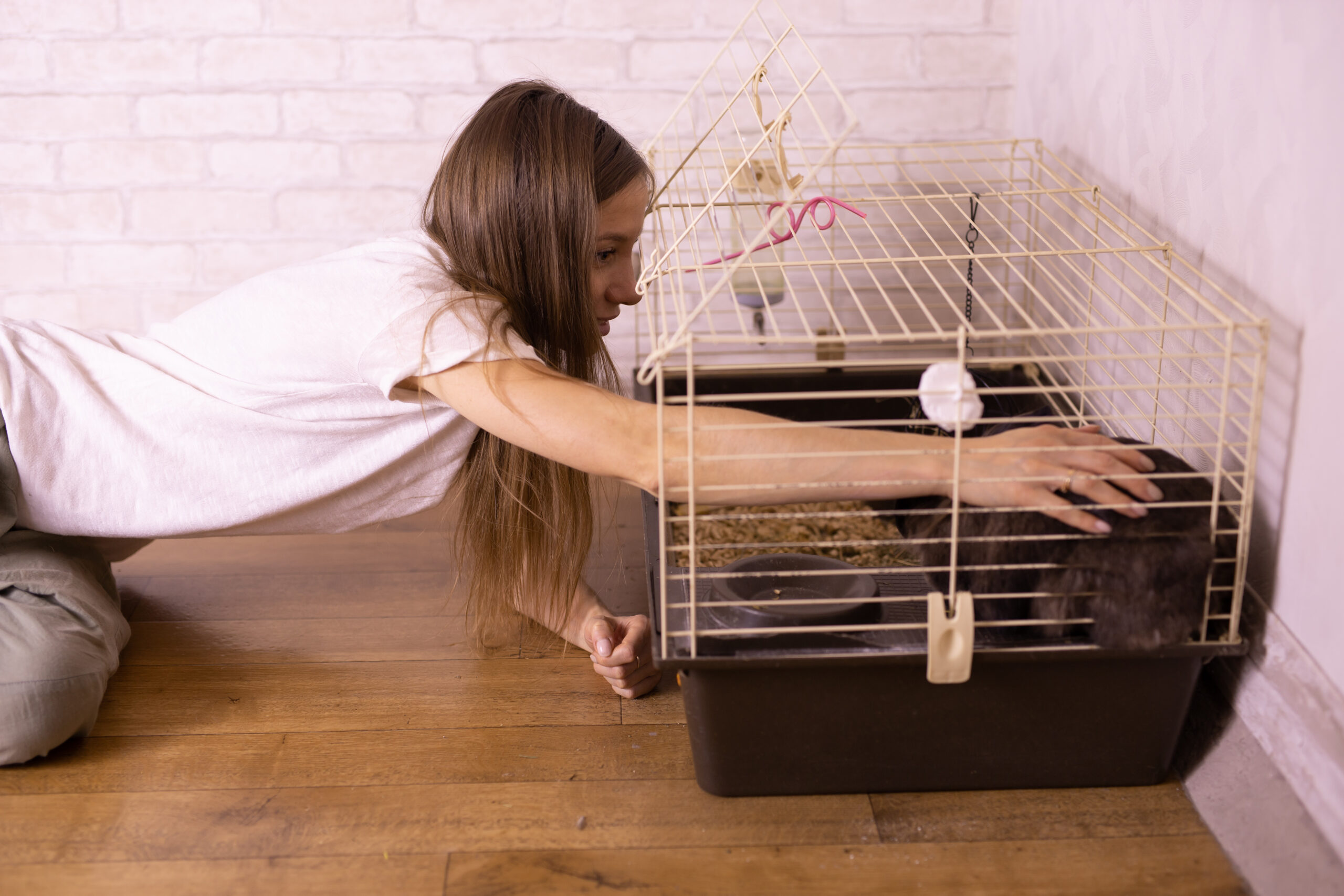
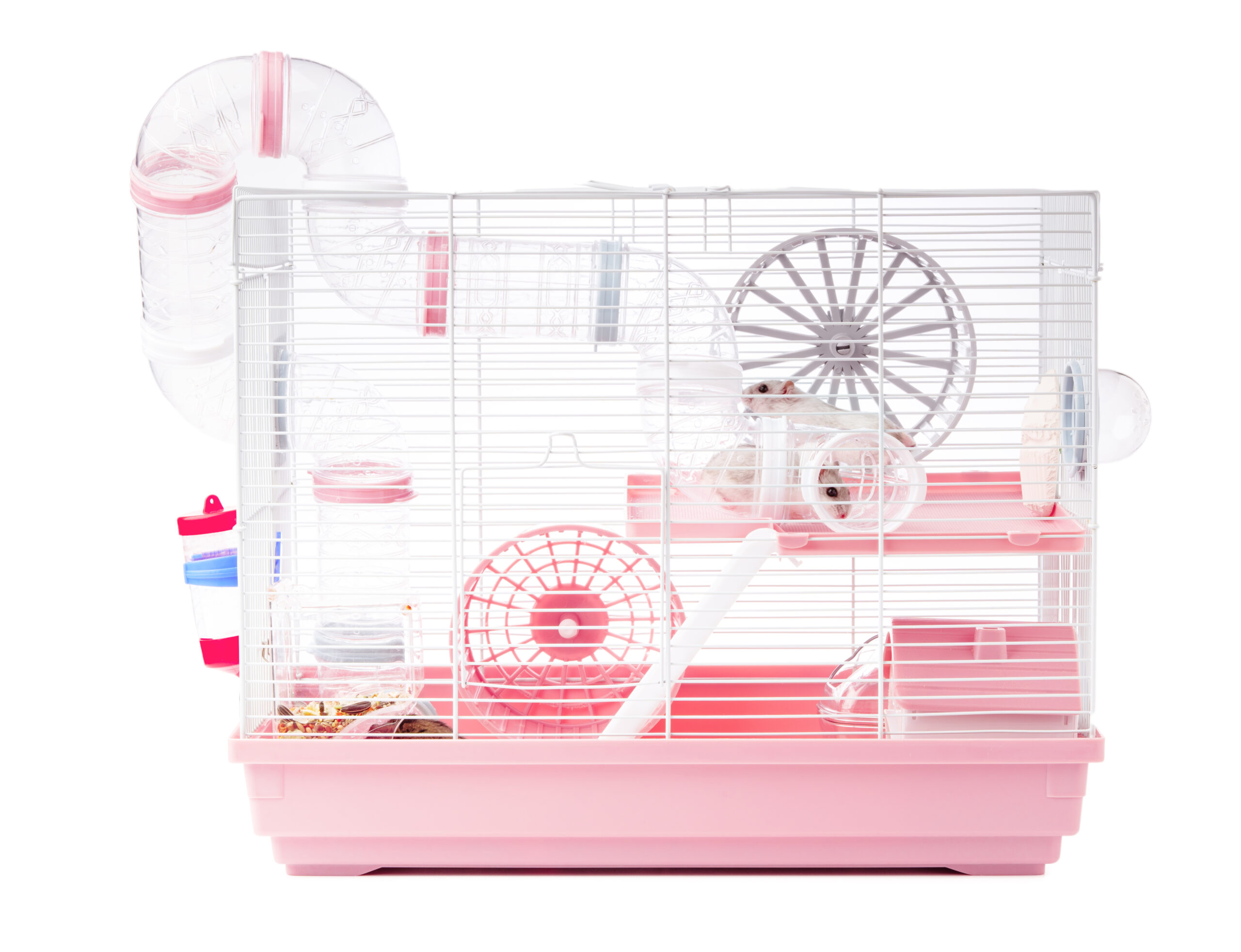
When preparing habitat for an exotic pet, choosing the correct cage is also important. There are many cages for various types of pets on the market; however, they differ a lot due to their size, materials, shape, ventilation etc. It is necessary to think about what type of habitat your pet requires. Do they require large or small cage? Do they prefer dry or wet places?
The next thing is related to the maintenance of temperature within the cage. Creating temperature gradient is the way how exotic pets regulate their body temperature. You can create temperature gradient by installing appropriate lights inside or outside the enclosure. For example, bearded dragon habitat should consist of several parts: cool area and hot place with basking point at 100°F. To make it possible, use ceramic emitters or heat lamp to provide warmth and light for the pet.
The next feature you need to consider in creating an exotic pet’s habitat is humidity. Depending on the type of pet, the humidity percentage may vary. Ball python, for instance, requires humidity at 60%-70% level, whereas leopard gecko is a rather dry pet, so its humidity should be lower than 60%. To create high humidity in the pet’s cage, use humidifier or spray water on the walls inside the enclosure regularly.
Another crucial aspect in maintaining exotic pet’s habitat is providing proper lighting and UVB rays. All reptiles need UVB light to get vitamin D3 for bones. Moreover, lighting is also required for birds because they need broader spectrum of lighting. Therefore, you should choose appropriate lighting devices for your pet according to the species. Research information on how to install them properly.
There are many types of exotic pets, which require regular interaction and communication with people. Such animals as bearded dragons require company, while ball pythons prefer to have several hiding spots where they can hide. To make this environment for your pet comfortable, you should give enough space for them in addition to placing various barriers and stimuli in the habitat.
To keep the environment in the cage hygienic, you need to make sure that it is easy to clean. Choose such substrate that will be easy to wash; provide your pet with several hiding places; add water bowls to help your pet drink and wash itself. Regular cleaning is necessary to prevent infections, therefore, you should always keep the cage clean.
In addition to all the above mentioned points, you should enrich your pet’s environment because otherwise it can become stressed and bored. The enrichment may be implemented in various ways: add various toys for your pet, put more food for your pet in different places to stimulate appetizing. You can do anything that would help your pet remain active.
Setting up habitat for your exotic pet may seem difficult at first glance, but if you follow certain rules, you will succeed. To provide a proper environment for an exotic pet, you should consider its special needs and create suitable conditions. Think of everything, starting with choosing cage and ending with providing enrichment.