May 23, 2026


Every pet parent would like to see their pets thrive and prosper in life; this is why one has to make sure they feed their beloved feline friends properly. A cat’s organism requires a balanced diet containing a great quantity of protein derived from animal products. Although commercial cat food is readily available in pet stores across the country, today more and more pet parents prefer feeding their felines with homemade cat food or a raw diet. This paper discusses the most popular diets for cats along with their advantages and disadvantages and provides professional advice regarding switching your cat to a certain diet. Benefits of Having a Balanced Diet
As mentioned above, this animal requires a great deal of protein obtained from chicken, fish, beef, etc., in its meals to keep the organism functioning. Additionally, having a proper diet can guarantee that a feline receives all the necessary vitamins and minerals. Vitamin A, vitamin D, and iron belong to such nutrients as they provide the organism of a cat with important vitamins that are required to stay healthy. Besides that, a balanced diet allows avoiding various diseases associated with obesity as this condition is very dangerous for the health of a cat.
Another benefit of a proper diet for felines consists in its potential to maintain the health of the cat at a proper level. It helps to maintain proper bodyweight which reduces the probability of developing a number of health problems. a balanced meal also guarantees increased vitality and thus decreases the possibility of your feline feeling bored or stressed. Choosing the Right Ingredients
It is obvious that when choosing meals for a domestic cat, one should pay attention to the ingredients used in the preparation of the latter. The first important thing is the fact that protein sources should make the basis of a meal and contain high-quality proteins derived from such animal products as chicken, salmon, beef, pork, or lamb. The ingredients’ list should include all the types of products used and avoid such names as “meat” or “by-products”. Apart from protein sources, a cat’s meal requires the inclusion of a great variety of whole foods such as organs, bones, and even fat that are rich in nutrients needed by felines.
Another important thing to consider when choosing a diet for your domestic cat refers to the stage of development of this animal, i.e. whether it is a kitten, an adult cat, or a senior one. Different stages of development and activities require different proportions in a meal, and one should choose the meal that matches the particular stage of the cat’s development. If the feline is suffering from obesity, then its diet should include less carbohydrates and more proteins.
To provide your cat with the proper diet, you need to understand feline nutrition. As mentioned earlier, domestic cats require foods high in protein and fats but low in carbohydrates. This is explained by the fact that domestic felines are obligate carnivores whose organisms are meant to digest animal products only. In contrast to humans, cats do not require a great quantity of fibers in the daily diet as these substances may result in digestive disorders and increased bodyweight. On the contrary, a great deal of taurine that is required for the heart, vision, and reproductive processes should be included in the diet.
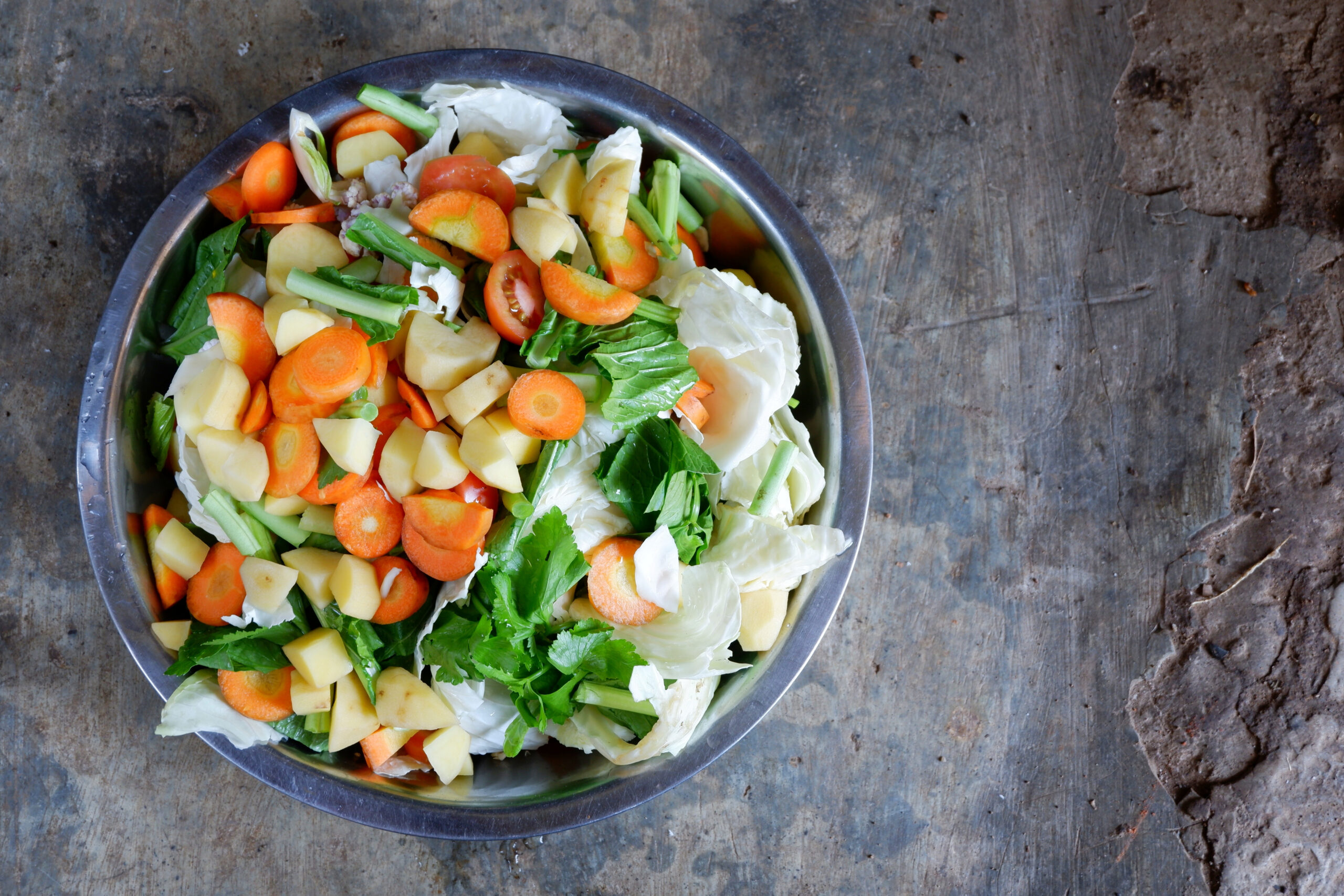
Home feeding may become a cost-saving measure in raising your domestic cat. Nevertheless, such kind of feeding requires a great deal of knowledge about nutrition and a balanced diet, and one has to understand what ingredients to add in order to provide their pet with all the nutrients required. One can add meat and even organ meats in the diet, together with fat and oils to obtain necessary fats. Additionally, it is recommended to use vegetables and fruit as they contain essential minerals.
Transitioning to a new meal might seem difficult to you, but with a little bit of patience, you can make your domestic feline accept a new diet and enjoy its advantages. The transition process should take approximately one week to ensure that a feline’s digestive system can adapt to the diet and avoid any complications that might appear during this period. A good diet is expected to be introduced gradually, with a slow rise in the portion of the new meal in comparison to the old one.
In addition to feeding, you may also have to solve various health-related problems of your domestic cat. One of them is obesity which is a threat to the health of a feline as it is associated with diabetes, arthritis, and heart diseases among others. A diet rich in proteins and poor in carbohydrates helps to maintain normal weight. Another common health problem consists in diabetes and requires a high-fiber meal. Finally, one has to think about the diet of a cat having kidney diseases as such cats require a meal low in protein and enriched with omega-3 fatty acids.
one has to mention that a healthy diet is very important for the health and well-being of domestic cats. One should know about the importance of the choice of ingredients and feline nutrition in order to choose a proper meal for their pets.