
petcaredailytips.com

Feeding Schedule Tips for Growing Pets

As a pet owner, you need to develop a consistent feeding schedule for your pet. A proper feeding plan will enable you to provide enough nutrients to your pet to grow optimally. Besides, a proper feeding schedule will improve the health status of your pet. This article will help you establish a feeding schedule for your growing pet. It will explain the importance of developing a feeding schedule for your growing pet, how to establish it, factors to consider when planning to create a feeding schedule, tips for feeding growing pets, among others.

Importance of Developing a Feeding Schedule for Growing Pets

Growing pets require more energy than mature pets because they have ongoing development activities. Besides, the nutritional requirements of growing pets vary depending on their size, breed, age, among other factors. Therefore, it’s critical to develop a feeding schedule that will meet the nutrition requirements of your pet optimally. Moreover, a feeding schedule will help you maintain proper monitoring of your growing pet. You can monitor the health status, development stages, dietary needs, and behavior of your pet effectively through a feeding schedule.

How to Develop a Feeding Schedule for Growing Pets

Developing a feeding schedule for growing pets requires proper planning. First, you need to know what factors you will consider when planning for the feeding schedule. The factors you will need to consider include:

* Age: The nutritional needs of young pets differ significantly from those of mature pets. You need to determine the nutritional needs of your growing pet and feed them accordingly.

* Breed: The feeding needs of different breeds of animals differ significantly. Therefore, you need to know the breed of your growing pet and determine its dietary needs accordingly.

* Size: Small animals need less food than big animals. You need to determine the size of your growing pet and feed it accordingly.

* Activity level: Highly active animals require more energy than inactive animals. You should determine the activity level of your growing pet and feed it accordingly.

After considering the above factors, you can now develop a feeding schedule for your growing pet. The table below shows an example of a feeding schedule for growing pets:

|Pet Type |Age Range |Number of Feedings per Day |

|Dogs |0-2 Months |5 |

|Dogs |2-6 Months |4 |

|Dogs |6-12 Months |3 |

|Dogs |12+ Months |2 |

|Cats |0-2 Months |5 |

|Cats |2-6 Months |4 |

|Cats |6-12 Months |3 |

|Cats |12+ Months |2 |

Factors to Consider When Planning to Create a Feeding Schedule

There are different factors you should consider when planning to create a feeding schedule for growing pets. Some of the factors you need to consider include:

* Nutritional Needs: Each type of growing pet requires unique nutrients. You need to determine the unique nutritional needs of your growing pet and provide them accordingly.

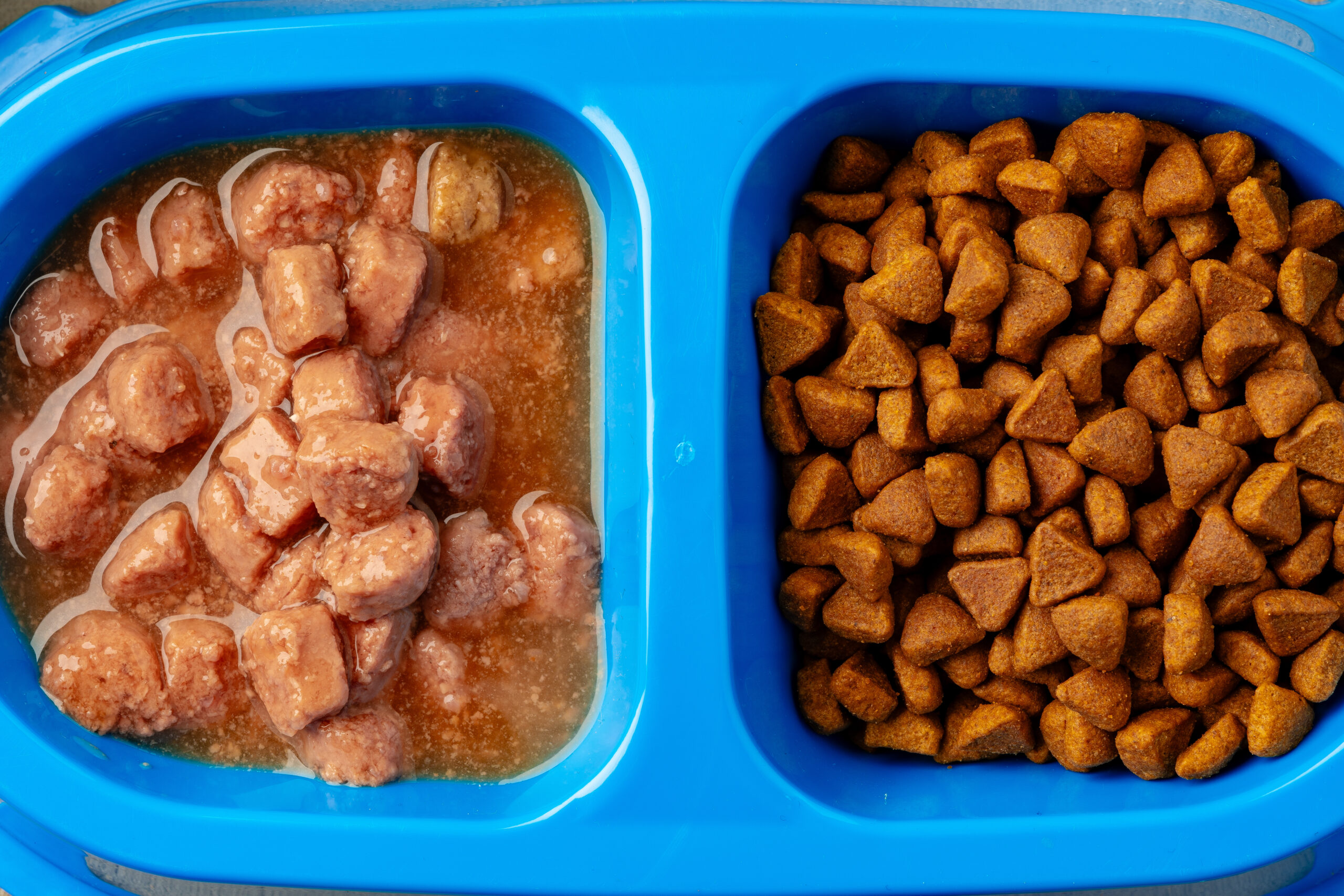
* Food Type: You need to purchase nutritious food that contains all the essential nutrients. Growing pets require food rich in proteins, fats, carbohydrates, vitamins, and minerals.

* Feeding Frequency: Growing pets require more energy than mature pets. Therefore, you need to develop a feeding schedule with more feeding frequencies than that of mature pets.

Monitoring Your Pet’s Development Stages and Nutritional Needs

Monitoring the development stages and nutritional needs of your growing pet is critical in the feeding process. You can easily identify when your growing pet needs to change its feeding frequency by monitoring it. Besides, you can identify some of the diseases that your pet is suffering from using their nutritional needs. You can achieve this goal effectively by weighing your pet regularly.

Tips for Feeding Growing Pets

Here are some of the tips you should apply when feeding growing pets:

* Feed your growing pet with small frequent meals to promote digestion and nutrient absorption.

* Purchase high-quality food that contains essential nutrients that meet the nutritional needs of your growing pet.

* Weigh your growing pet regularly to ensure it doesn’t experience any health challenges.

Common Feeding Schedule Mistakes

Here are some of the mistakes people make when creating a feeding schedule for growing pets:

* Overfeeding your pet leads to overweight, which triggers obesity. Besides, overweight can cause other health complications.

* Underfeeding your pet leads to underdevelopment and malnutrition. Malnourished pets suffer from many illnesses.

* Too many frequent feedings can cause gastrointestinal disorders.

* Failure to buy food that meets the nutritional needs of your growing pet leads to malnutrition and stunted growth.

Conclusion

In conclusion, you can develop a proper feeding schedule for your growing pets effectively after reading this article.
Leave a Reply

Your email address will not be published. Required fields are marked *

Related Posts