
May 15, 2026


It is not a secret that pet owners have a great deal of pleasure when they return from work and see their pet wagging the tail or purring on the couch. However, not all people know how to understand their animals and provide them with everything they need. This problem arises frequently among novice pet owners who do not have sufficient knowledge concerning animals. Fortunately, there are some tips that will help to interpret pet behavior and establish friendly communication with them. This paper will explore different recommendations for understanding your pet body language, interpreting their needs, and building a connection with them.
The first thing to observe is pet’s body language. There are a variety of ways that can be used for understanding whether your dog is feeling comfortable or anxious, playful or aggressive. The main features to consider include:
With the help of these features, you will be able to determine the current emotional state of your pet. For instance, you can assume that your dog feels afraid and anxious if it holds its ears back and avoids looking into the eyes of the owner. In this case, you can try to find out why your dog is afraid by using positive reinforcement techniques. Conversely, you can understand that your dog is very happy if it wags the tail or tries to lick you. Hence, you should continue doing what you are doing now.
Since dogs are social animals that require love, attention, care, and playfulness from human owners, they developed different ways of communicating and expressing feelings. As a rule, dogs show that they are feeling friendly and calm if they hold their ears raised and wag the tails. In addition, these animals try to attract owners’ attention by pawing their legs and show their affection by licking the owner’s hands.
One of the essential steps for creating a great relationship with your pet is understanding its needs. In particular, it is vital to provide pets with adequate nutrition, sufficient water, and exercise. Thus, you will be able to prevent health problems and prolong its life. In order to do so, you should buy only high-quality and appropriate pet food that is suitable for a specific age. Moreover, puppies require more calories and proteins compared to senior dogs who require vitamins and joint support supplements.
Like all living creatures, animals may suffer from stress that may lead to different problems with the health and behavior. Usually, pets become stressed because of a change in the household, loud sounds, and being left alone in an unfamiliar place. If you have noticed that your pet experiences stress, you should act fast and find ways to reduce its level.
It is necessary to mention that there are many different symptoms of stress in animals. The main symptoms are excessive barking, hiding behind furniture pieces, refusal to eat or go to sleep. In addition, pets try to calm themselves down by engaging in self-calming behaviors such as licking and pacing. If you see that your pet shows unusual behavior, you should visit a veterinarian. Remember that stress cannot be treated without the assistance of specialists who have a clear understanding of your pet’s health.
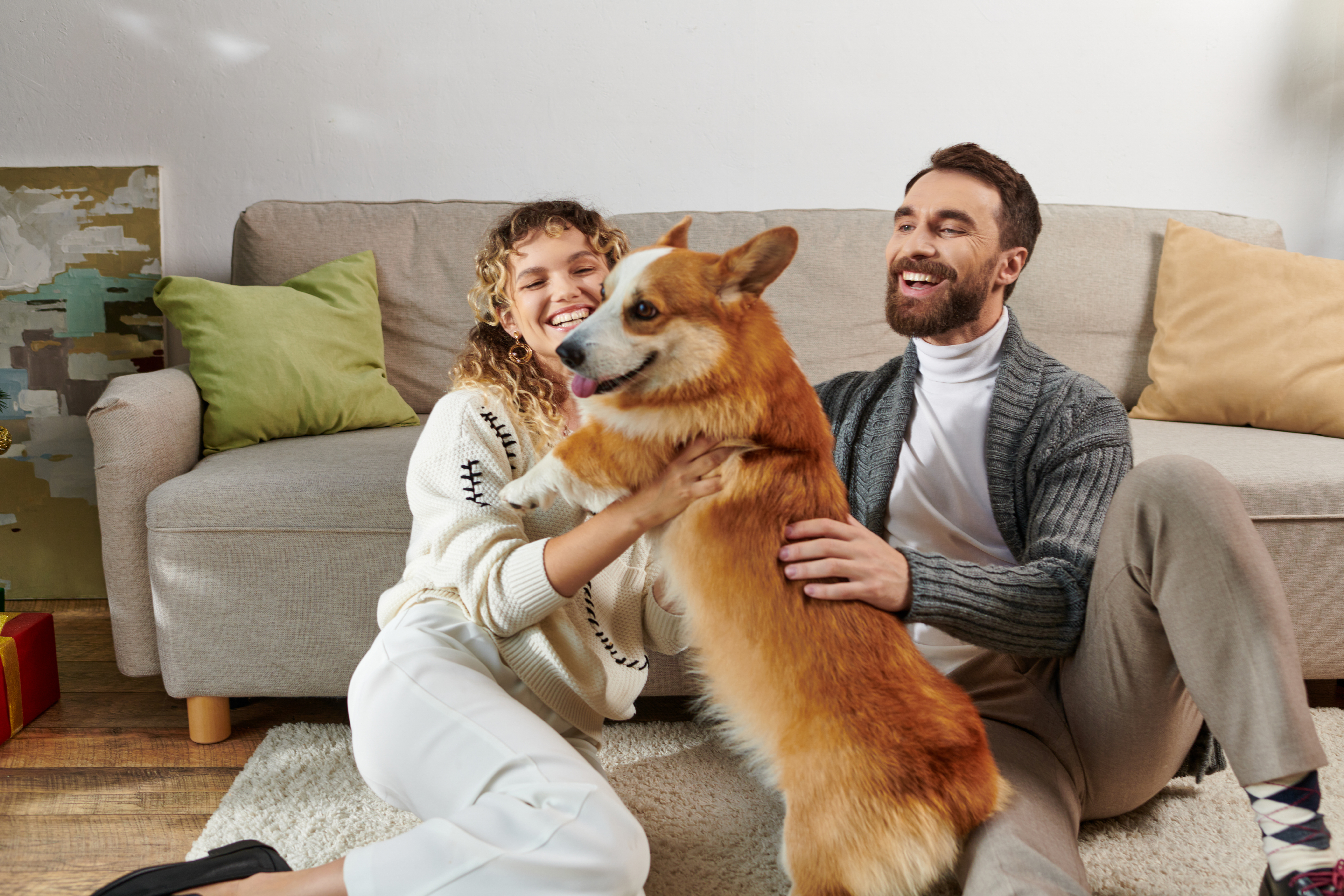
In order to create great relations with your pet, you need to put some effort into bonding with them. Dogs are intelligent animals that require affection and attention from the owners. Therefore, you need to ensure that your dog has enough opportunities for receiving it. Spend some time with your dog walking in the park, playing, or even just petting it.
There are a lot of fun activities that can be used for bonding with your pet. First of all, it is highly recommended to go with your dog to the park and spend there some time playing hide-and-seek. In addition, you can organize training sessions with your pet during which you will be able to develop new skills.
Thus, it is important to understand the body language, needs, and wants of your pet in order to create strong bonds and become friends.