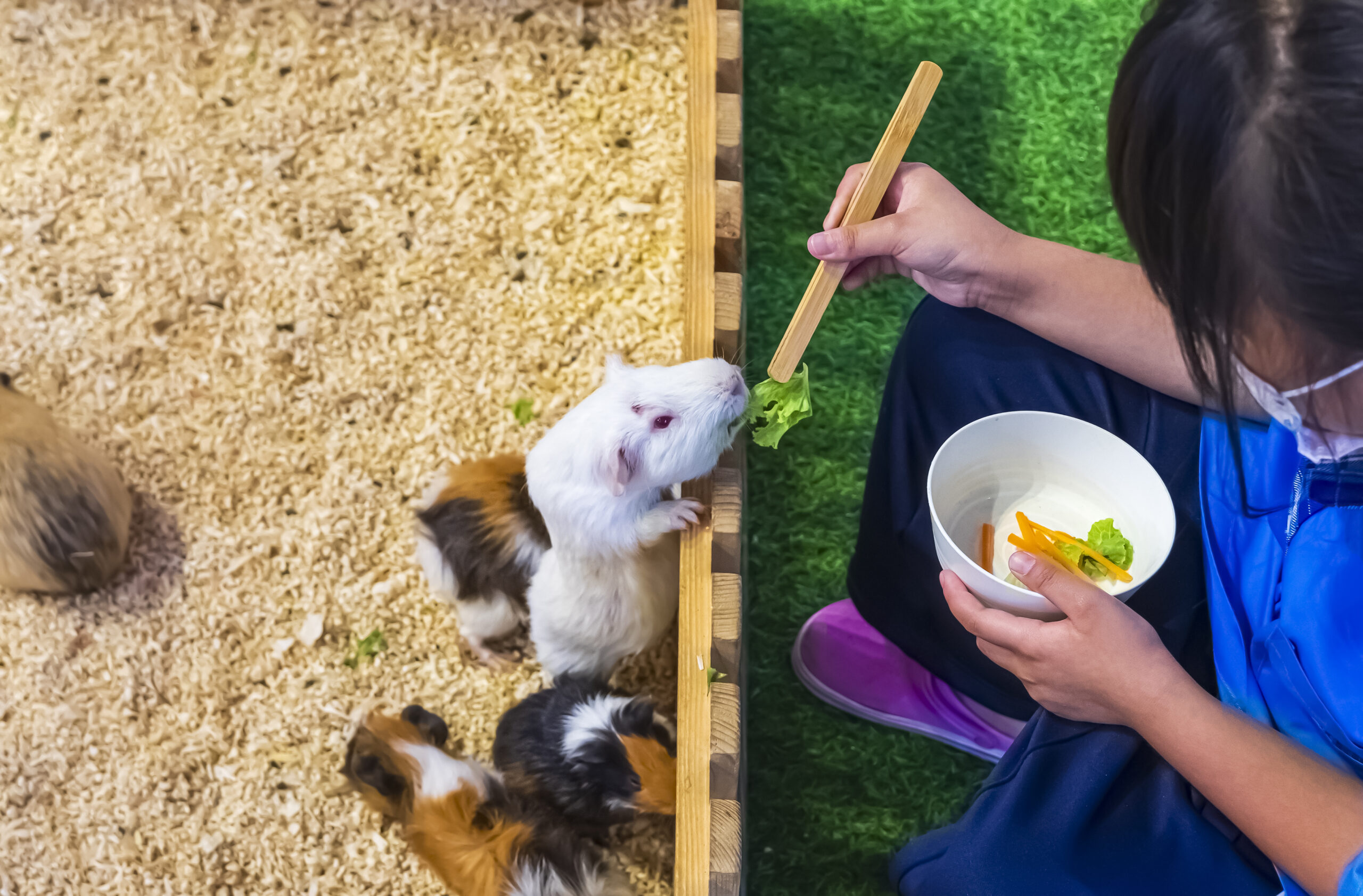
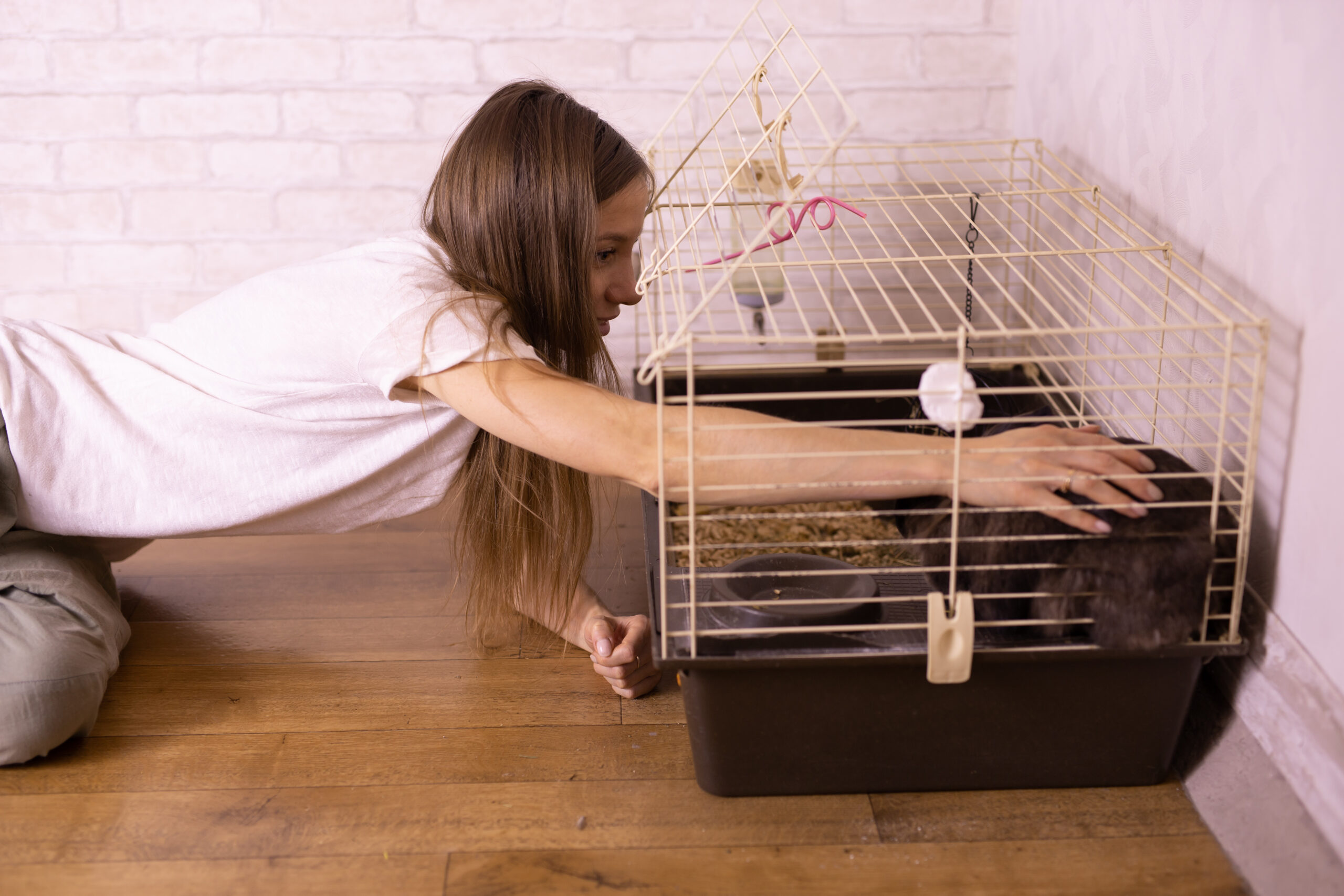
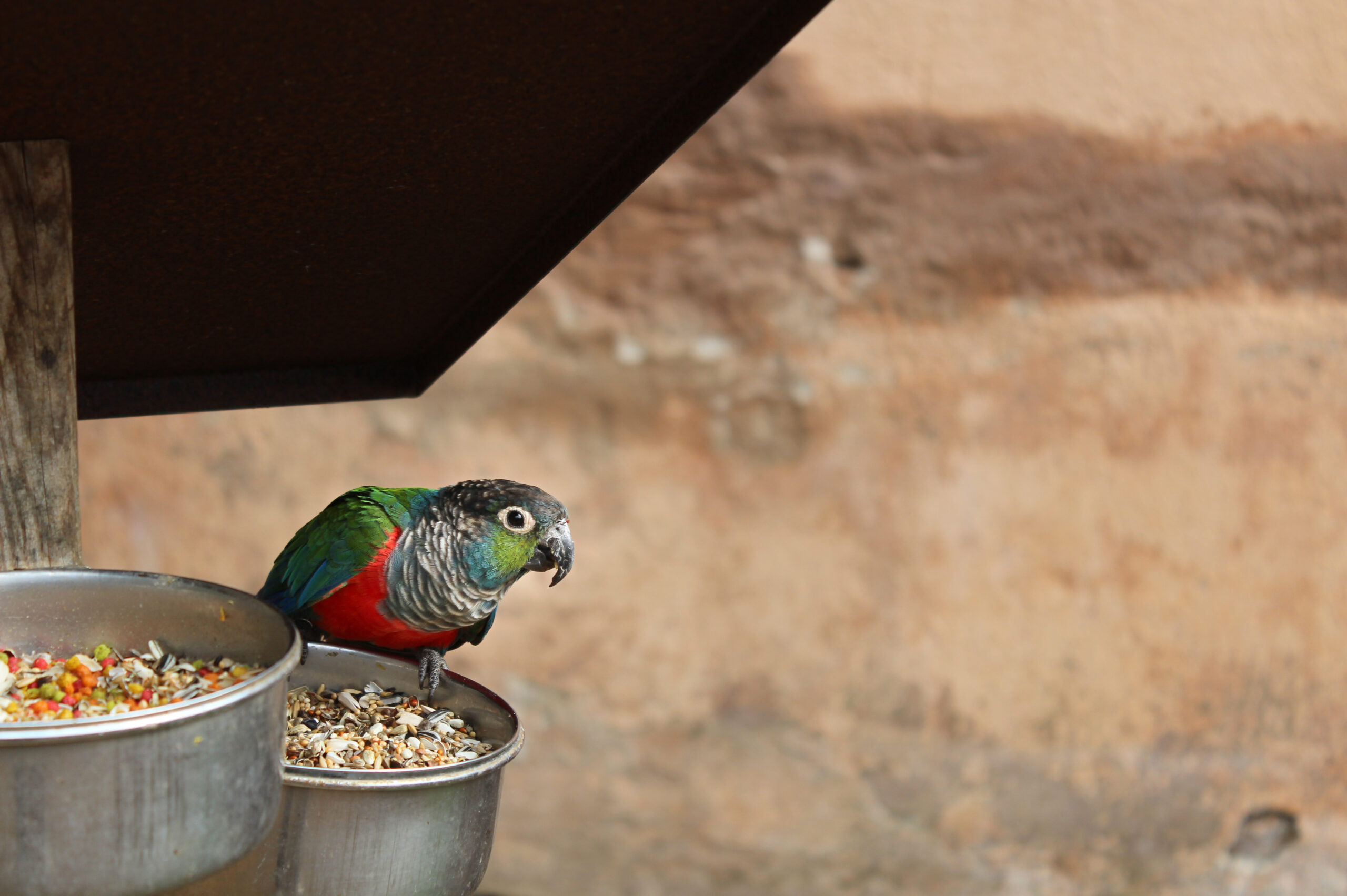
Small animals like hamsters, rabbits, and guinea pigs require a balanced diet that includes a mix of nutrients. Proper feeding supports growth and prevents health issues.
Provide high-quality pellets as a base diet
Include fresh vegetables regularly
Offer hay for digestion (especially for rabbits)
Ensure access to clean drinking water
Avoid sugary or processed foods
Each type of small pet has specific dietary needs, so understanding these differences is important. Feeding the wrong food can lead to serious health problems.
“A balanced diet is the key to a healthy and active small pet.”
Feeding Tips and Routine
Maintaining a proper feeding routine helps your pet stay healthy and prevents overeating or malnutrition.
Feed at the same time every day
Provide portion-controlled meals
Remove leftover food to maintain cleanliness
Introduce new foods gradually
Monitor your pet’s eating habits
Consistency in feeding helps regulate digestion and behavior. It also makes it easier to identify any changes in appetite that may indicate health issues.
Proper nutrition plays a major role in the lifespan and happiness of small pets. With the right feeding habits, you can ensure your pet stays active and healthy for years.