
Aggressive pet behavior is one of the most frustrating experiences a pet owner can have because the aggression makes you scared, fearful and stressed. To stop pet aggression, you need to determine the underlying causes behind your pet’s violent and aggressive actions. With the following information, it will be easy for you to help your beloved pet change its aggressive attitude toward people and animals.
Understanding Aggressive Pet Behavior
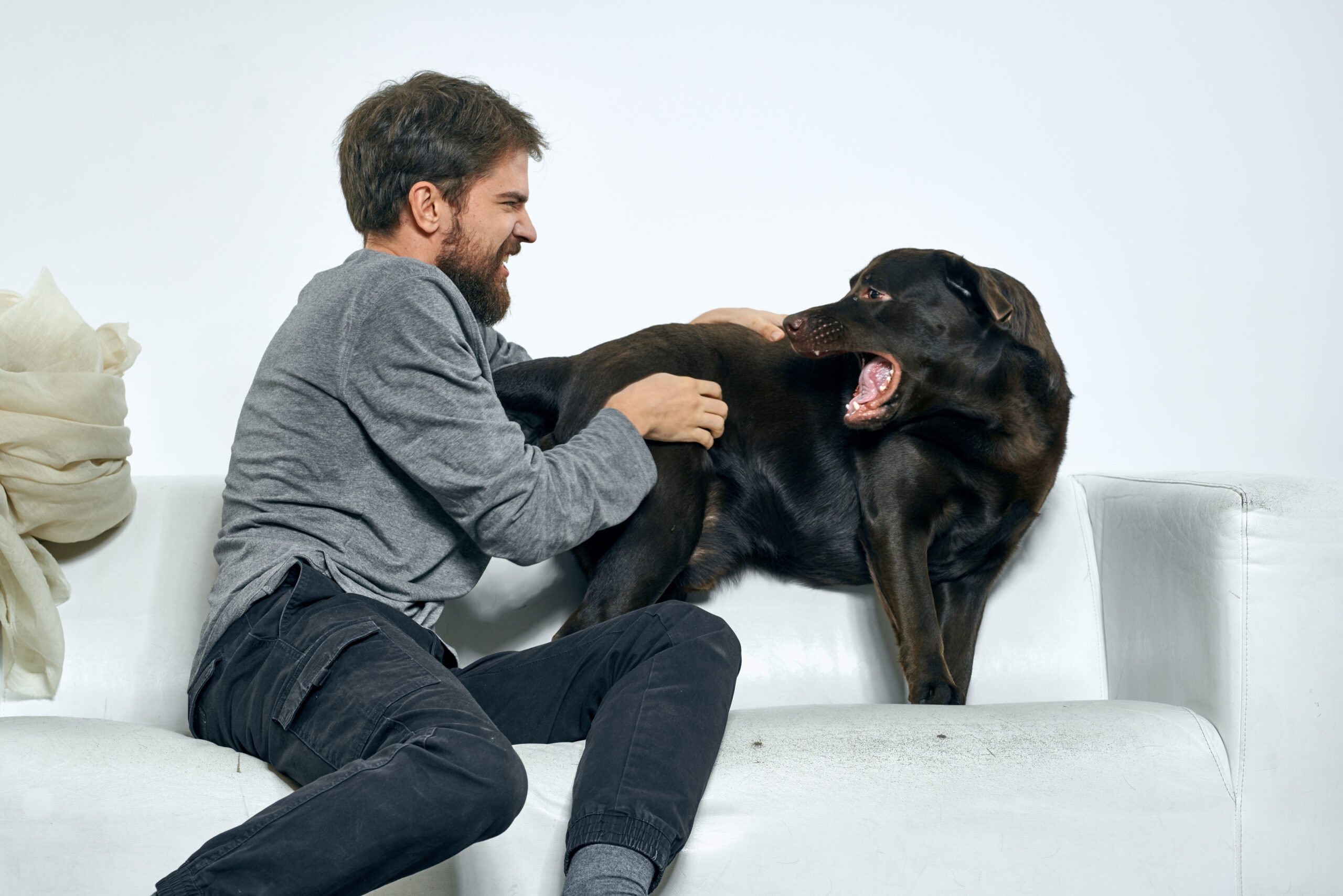
Pet aggression can manifest itself in various ways. The signs of aggression may include growling, snipping and biting and even attacks. Different things may trigger aggression in a pet and it’s important to know what causes the violent behavior. For example, some pets tend to growl when someone tries to approach them with noise while others tend to exhibit aggression because of territorialism. In other words, they may attack anyone who invades their personal space.
Signs of Aggressive Behavior
To address your pet’s behavior problems effectively, it’s necessary to recognize the signs of aggression. The list of these signs includes the following:
– Growling – A low, rumbling growl indicates that your pet feels scared and threatened.
– Snipping – It’s a more serious type of growling. This time the animal is more concerned about its territorial rights.
– Biting – Biting is the most aggressive behavior and it indicates that your pet is very afraid.
– Stiffening – It means that your pet adopts a firm posture with raised hackles.
– Eye contact avoidance – If your pet avoids looking directly into your eyes or stares aggressively at you or at others, it is also a sign of aggression.
Common Causes of Aggressive Pet Behavior
If you notice signs of aggression in your pet, it’s necessary to identify the causes to stop the bad behavior of your cat or dog. There are many reasons why an animal may show aggression, among which we can mention the following:
– Fear and anxiety – Your pet may act aggressively due to fear or anxiety caused by various events.
– Territorialism – Aggression may appear in animals trying to protect their territory.
– Medical condition – Sometimes pets act violently due to some physical or psychological disorders.
– Lack of socialization – Animals that haven’t been socialized properly may demonstrate aggression.
– Genetic predisposition – Breeds of dogs that have violent tendencies.
Strategies to Stop Pet Aggression
After finding out the causes of aggression in your pet, you should work on the appropriate strategies. Below you will find effective strategies for dealing with pet aggression.
– Positive reinforcement training – Try to reinforce all your pet’s good behavior with treats, praise and affection.
– Desensitization and counterconditioning – Gradual exposure to the stimulus that triggers aggression paired with positive outcomes.
– Safe environment – It will help decrease your pet’s fear or anxiety.
– Professional help – Consult with a professional dog trainer or behaviorist to find the proper treatment.
How to Manage Aggression in Public Places?
Managing aggression in public places can be especially hard because your pet may hurt another person. However, here you’ll find useful tips to manage the problem.
– Avoid triggers – Try to avoid the stimulus that triggers aggression in your pet.
– Leash – Never forget to keep your pet on a leash.
– Safe place – Provide your animal with a place to retreat.
– Seek help – Contact a professional dog trainer or behaviorist.
Conclusion and Call-to-Action
As you see, there are many causes of pet aggression. Nevertheless, you can stop it with the right strategies and techniques. Take the steps outlined above and don’t hesitate to consult professionals if you have problems with addressing aggression in your pets.