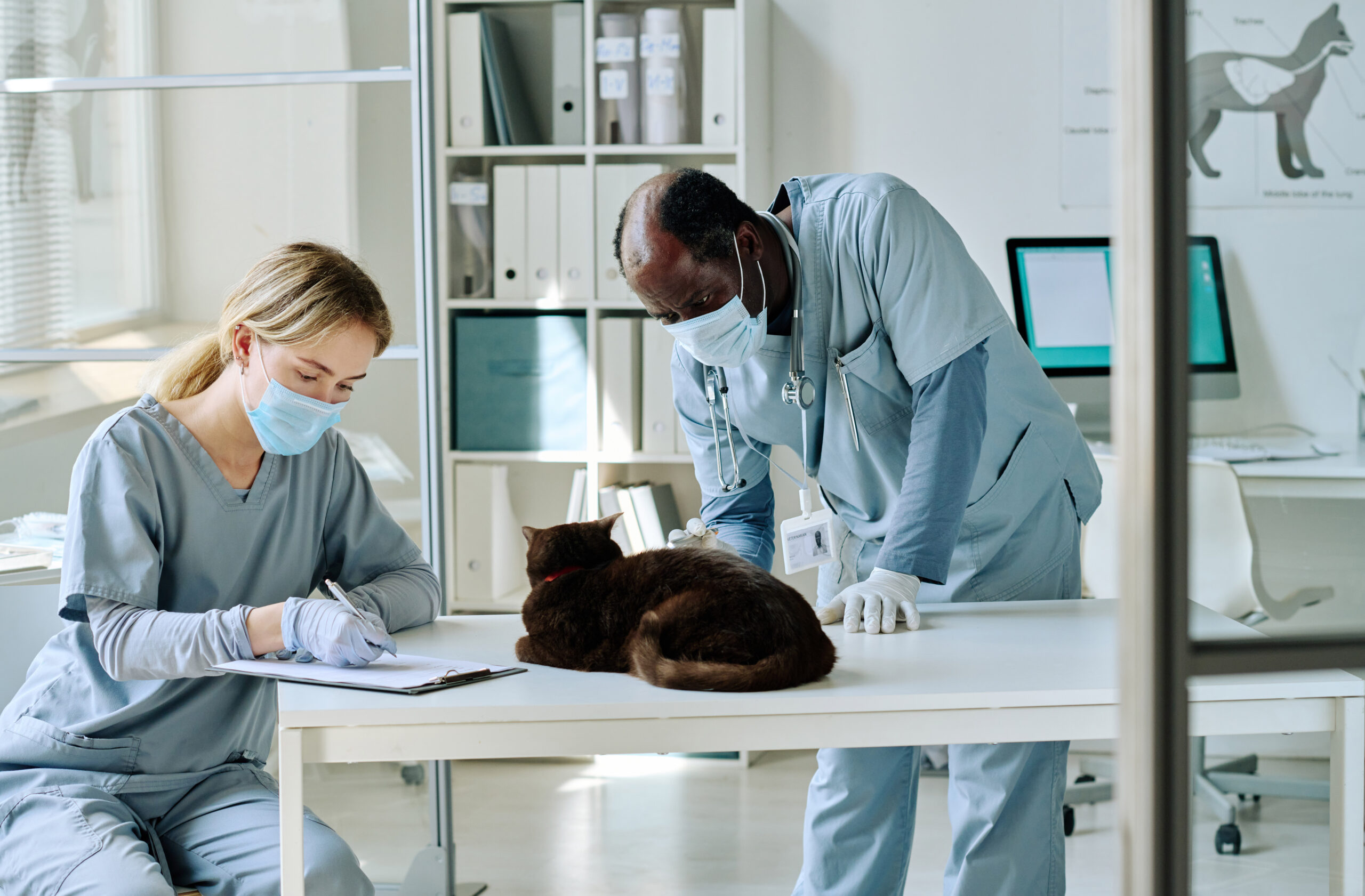
Understanding the types of emergencies that can occur helps you stay prepared and act quickly when needed.
Cuts, wounds, or bleeding injuries
Choking or difficulty breathing
Sudden vomiting or diarrhea
Poisoning from harmful substances
Heatstroke or extreme weakness
Recognizing these situations early allows you to take immediate action. Pets often show signs like restlessness, unusual behavior, or visible discomfort when something is wrong.
It is important not to panic. Staying calm helps you handle the situation better and prevents further stress for your pet.
“Quick action and calm thinking can save your pet’s life.”
Basic First Aid Steps for Pets
Knowing simple first aid techniques can help you manage emergencies before reaching a veterinarian.
Clean minor wounds with clean water
Apply gentle pressure to stop bleeding
Keep your pet warm and comfortable
Remove harmful objects carefully if visible
Avoid giving human medications
First aid is only a temporary solution. It helps stabilize your pet until professional medical care is available.
Always handle your pet gently during emergencies, as they may be scared or in pain. Sudden movements can worsen the situation.
Creating a Pet First Aid Kit
Having a ready-to-use first aid kit at home is very helpful in emergency situations. It allows you to act quickly without wasting time.
Bandages and gauze for wounds
Antiseptic solution for cleaning
Tweezers for removing small objects
Clean cloths or towels
Emergency contact numbers
Keeping this kit in an easily accessible place ensures you are always prepared. Regularly check and update the items as needed.
A well-prepared owner can respond faster and more effectively during emergencies.
When to Seek Immediate Help
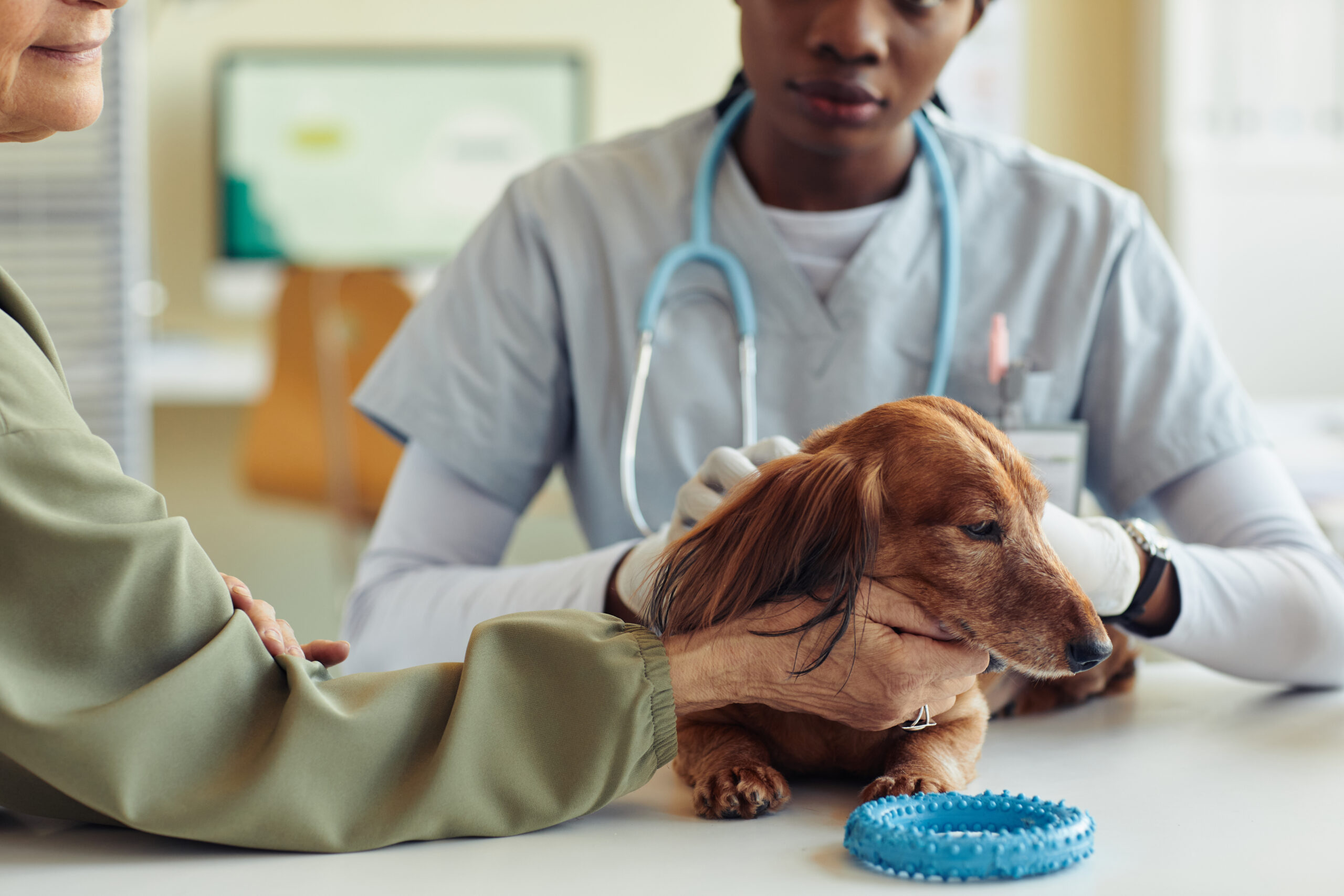
Some situations require urgent veterinary attention and should not be handled at home alone.
Severe bleeding that does not stop
Difficulty breathing or choking
Seizures or collapse
Ingestion of toxic substances
Extreme pain or inability to move
In such cases, take your pet to the nearest veterinarian immediately. Delaying treatment can worsen the condition.
Knowing the location of nearby veterinary clinics and emergency services is also important for quick action.
Preventing Emergencies at Home
Prevention is always better than dealing with emergencies. Creating a safe environment reduces the risk of accidents.
Keep harmful items out of reach
Secure electrical wires and sharp objects
Store chemicals safely
Supervise pets during playtime
Maintain regular health checkups
A safe home environment plays a big role in preventing injuries and health issues. Regular observation also helps you detect problems early.
By staying prepared and informed, you can handle emergencies with confidence. Your awareness and quick response can protect your pet and ensure their safety at all times.