May 23, 2026

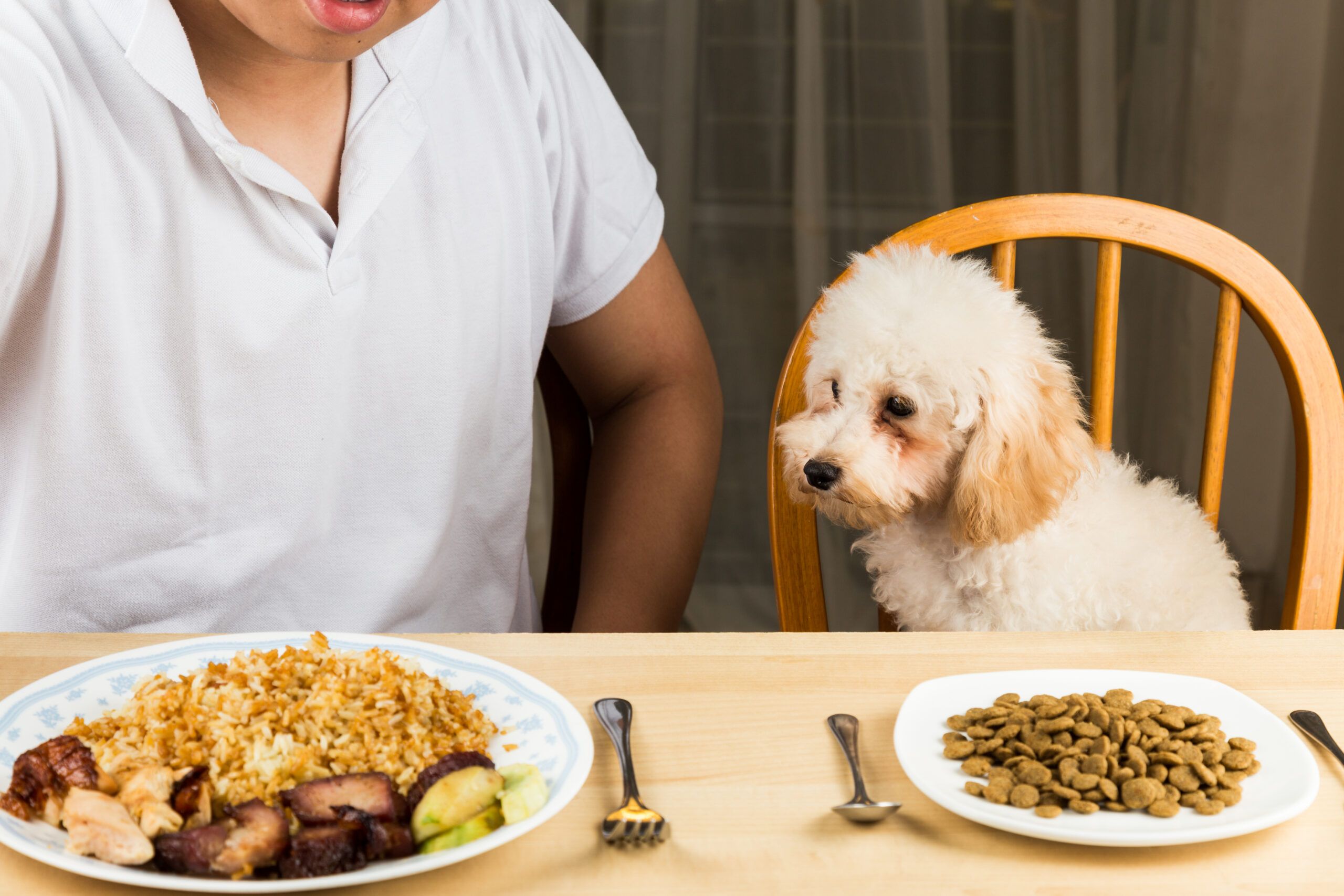
Being a responsible pet owner, one must ensure that their furry friends get sufficient and healthy nutrition. Nonetheless, there are various types of foods consumed by people which may pose threats to the lives of these animals. From chocolate to grapes, there are many human foods which could harm your pets. This article focuses on discussing the foods which shouldn’t be fed to your furry friends.
As far as humans are concerned, there are foods which are highly toxic to pets. Firstly, chocolate should never be served to cats and dogs as it contains theobromine that can cause a variety of symptoms including heart problems, seizures, vomiting, and diarrhea. Moreover, the amount of theobromine in dark chocolate is relatively high, meaning that you have to be extremely careful about serving your pet such food items.
Secondly, you shouldn’t be feeding your pets with grapes and raisins as they may result in kidney failure in animals. Although the reason behind kidney failure caused due to grapes and raisins hasn’t been identified yet, the consumption of grapes/raisins in large amounts by your furry friends is highly dangerous for their health.
Another category of human food which is considered toxic to pets includes fatty foods. Foods such as fried chicken, sausage, and bacon may cause pancreatitis – an inflammatory condition of the pancreas that results in diarrhea, vomiting, and abdominal pain. Moreover, feeding your cats and dogs with fatty foods might lead to obesity, arthritis, diabetes, and cardiovascular diseases. Apart from causing severe health complications, feeding your pet with fatty foods can increase their chances of getting digestive problems.
As far as humans are concerned, they use onions and garlic in their cooking; however, these two types of foods aren’t considered suitable for your pets. N-propyl disulfide which is found in onions and garlic causes damage to the red blood cells of your animal friend resulting in the development of anemia. The condition manifests itself in the form of weaknes, exhaustion, paleness, and lethargy.
Additionally, eating onions and garlic can result in digestive disorders characterized by vomiting, diarrhea, and pain. In case you suspect that your dog/cat has eaten onions and/or garlic, you need to take it to the vet clinic immediately.
Alongside the foods which have been mentioned above, there are various other types of food which you shouldn’t be serving to your cat/dog:
Xylitol is known to lower the levels of blood sugar, resulting in hypoglycemia. Moreover, consuming xylitol can lead to liver failure in your pet.
Caffeine is highly toxic as it causes an increased heart rate in animals as well as vomiting and diarrhea.
Macadamia nuts are associated with weakness, trembling, depression, and other health problems.
Raw or undercooked meat, eggs, and fish contain salmonella and e. coli that may cause severe gastrointestinal problems in pets.
Milk and dairy products can cause diarrhea and vomiting in dogs and cats.
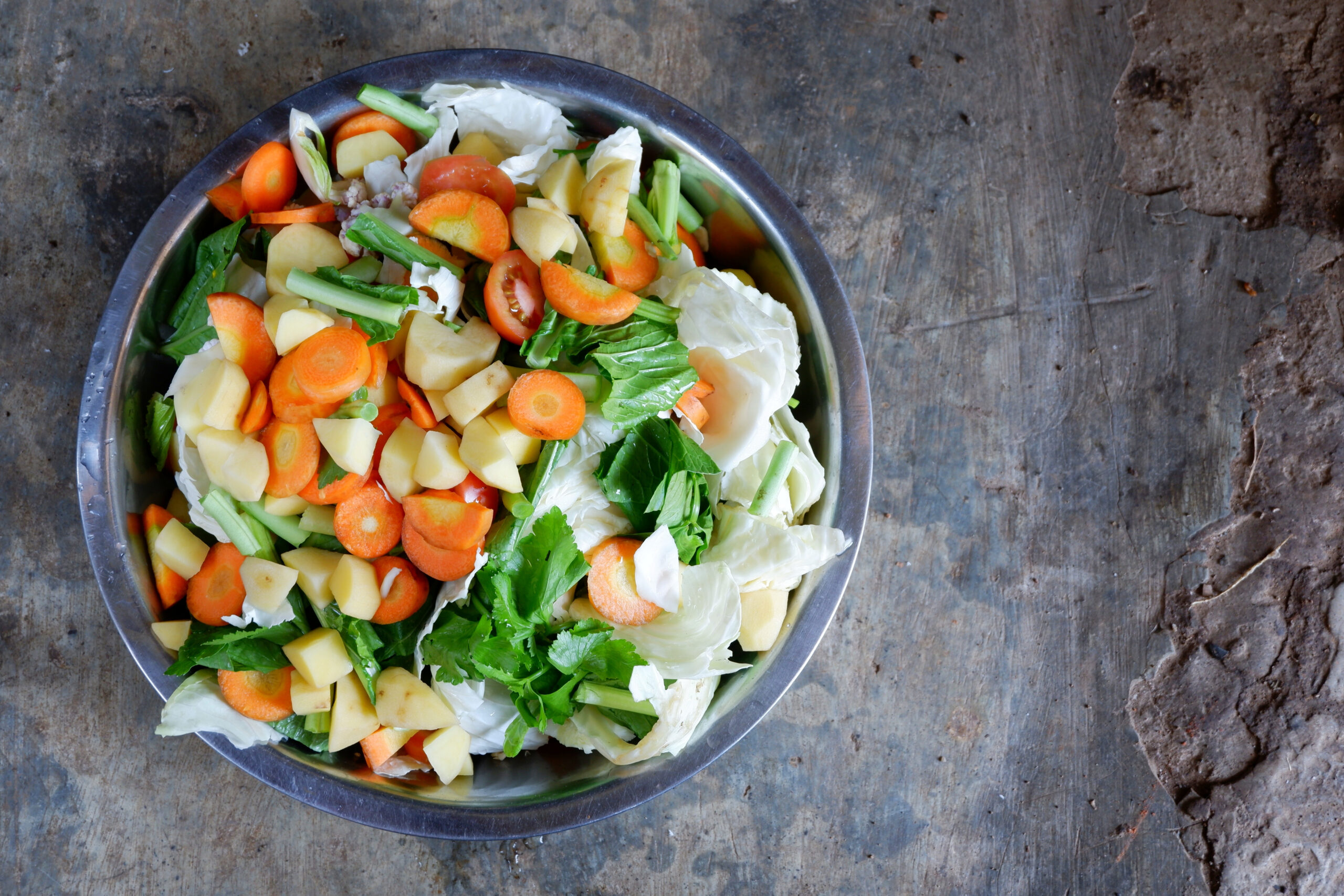
While talking about fruits and vegetables, it is important to mention that there are many foods belonging to this category that aren’t considered harmful for pets. On the contrary, you can offer the following fruits and veggies to your cat/dog:
However, there are also some fruits and vegetables which aren’t considered safe for your pets. For instance, avocados contain persin, while the consumption of this fruit is highly likely to cause diarrhea and vomiting. As far as raw or green potatoes are concerned, they contain solanine that causes stomach problems.
To sum it up, being a responsible pet owner, it is important to make sure that you’re offering healthy food to your dog/cats. It means that you shouldn’t feed them with the food mentioned above.