May 23, 2026


To raise a healthy cat, you need to know the nutritional requirements of your cat depending on its age. It is necessary because as your cat grows, its body changes too. Therefore, the appropriate nutrition can help a lot to ensure its health and happiness. This paper discusses the specific nutritional requirements of cats depending on their age.
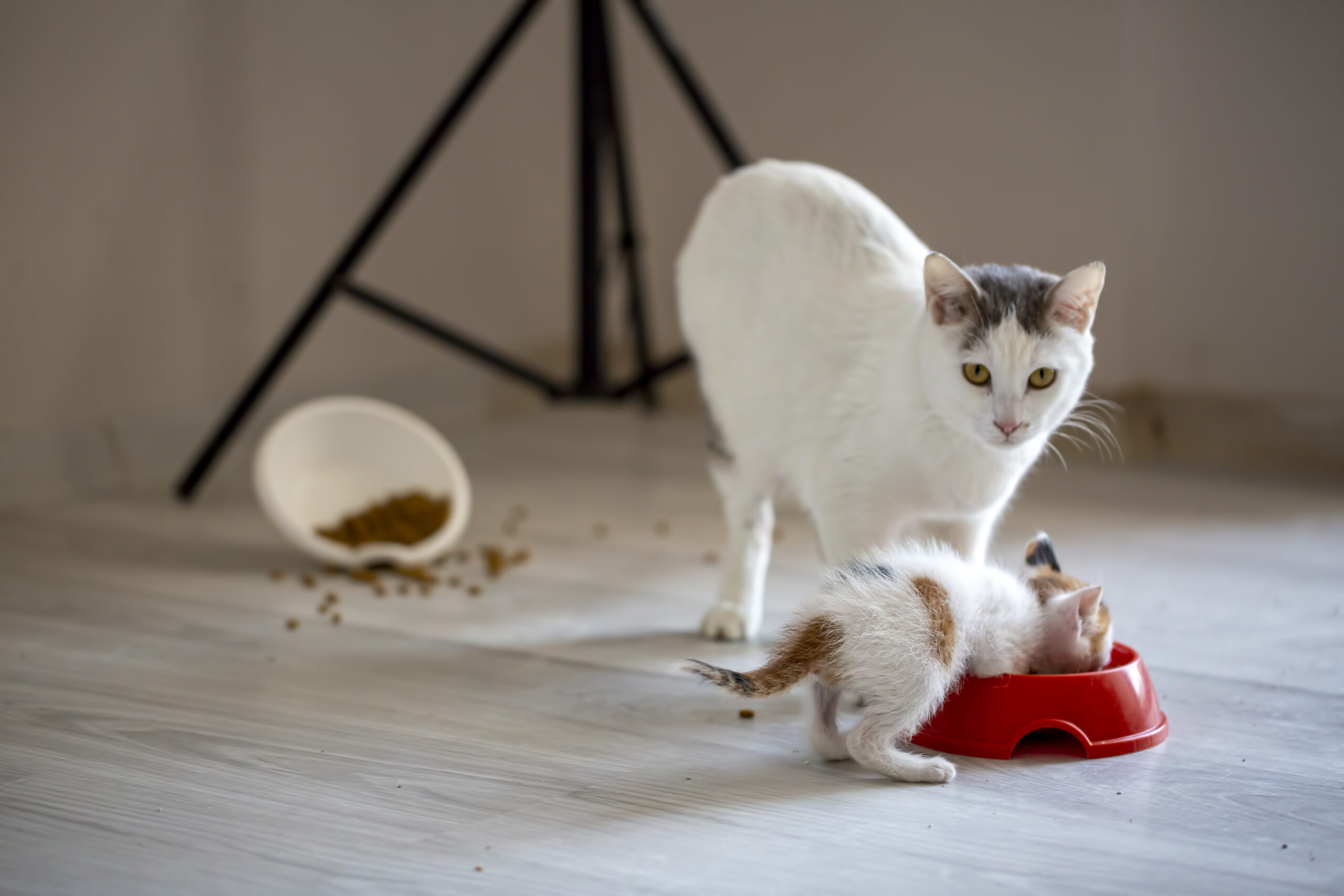
Kittens require much protein and fats to help them develop. That is why the appropriate foods for kittens must contain not less than 30% of proteins on a dry-matter basis. Moreover, they must have DHA that will promote the development of a kitten’s brain and eyesight. They must have other vitamins and minerals as well. These include taurine and vitamin A for the development of its heart. You can feed your kitten by the formulas specifically prepared for kittens until it reaches 6-8 weeks of age. Later on, however, it can eat the food prepared for adult cats. Nevertheless, many cat owners do not do that, giving their kittens kitten’s food until they reach 12-14 months of age. It seems like there is a controversy concerning it but you must consider the particular needs of your kitten.
Cats are active animals and need lots of energy to maintain their activity. The formula of a high-quality adult food must include around 20-25% of protein on a dry matter basis. Moreover, your cat needs some vitamins and minerals as well. Vitamin E and beta-carotene will be perfect to provide its beautiful and shiny fur. Besides, your cat needs other nutrients depending on its particular needs. If you want your pet to have perfect joints, for instance, choose some joint supplement. In order to improve its digestion, use some probiotics.
When selecting a proper food for your cat, consider the opinion of experts. Namely, a good food for a cat must be able to fulfill the nutritional levels set by the AAFCO. Apart from it, you need to take into account some particular aspects. First of all, you need to take into account the needs of your pet. For instance, your cat requires more energy if you let it outside. On the contrary, it needs more calories to keep fit. In both cases, you need a special food.
As a rule, cats tend to gain weight after five years of age. Moreover, being overweight can cause many problems to a cat, ranging from diabetes to arthritis or even heart diseases. In order to avoid them, you need to give your cat some weight management cat food. In addition to a proper diet, you also need to make sure that your pet has enough exercises. It can be chasing the toys or walking up the stairs. Sometimes your cat requires some specific nutrients that can improve the quality of its life. For instance, your cat requires omega-3 fatty acids to maintain its heart healthy.
Once a cat gets to ten or twelve years of age, it requires specific nutrition depending on its state. Namely, your cat requires joint support, digestive support, and immune support. That is why its food must include such elements as glucosamine and chondroitin, which promote joint health. As your cat is older, its digestion might be poor. That is why it must be given some probiotics. Omega-3 fatty acids will provide your cat’s heart with support. Moreover, it is necessary to give your pet food that is specially designed to promote brain activity. Sometimes you also need to give some vitamins and minerals to your cat in order to eliminate some health problems.
Overall, as a cat owner, you need to pay attention to the specific requirements of your cat. Providing them with proper nutrition, you will help them to remain healthy and happy.