May 24, 2026

It is vital to visit a vet once in a while to have your pet examined by a professional doctor. However, there are also certain things that you can do to track the health status of your animal companion at home. You can find some recommendations related to home pet monitoring in this essay.
Each pet is individual; nonetheless, there are still specific guidelines that will assist you in understanding what is typical for your pet.
For instance, the healthy dog will have a neat coat and active behavior. Moreover, the pet will feed normally. On the contrary, a healthy cat will be quite independent. In case your cat is not grooming properly and avoids going into their litter box, it means that your cat suffers from some diseases.
The appetite is considered to be one of the most important factors to consider when tracking the pet’s health.
The decrease in appetite might show that the animal is experiencing gastrointestinal problems, toothaches, and even cancer. Excessively hungry pets may suffer from obesity and other diseases. Monitoring the appetite and diet of your pet is the way to prevent many health problems in the future.
The process of weighing and measuring your pet is vital since it will allow you to control the animal’s body weight. This step is especially crucial if your pet is gaining weight fast (cats and dogs, for example). By making some adjustments to the diet of your pet and to his/her training plan, you will prevent any obesity problems.
To assess your pet’s weight, you can use some special scales or even household scales. Measuring the body condition is quite easy – you only need to palpate the animal’s ribcage and backbone.
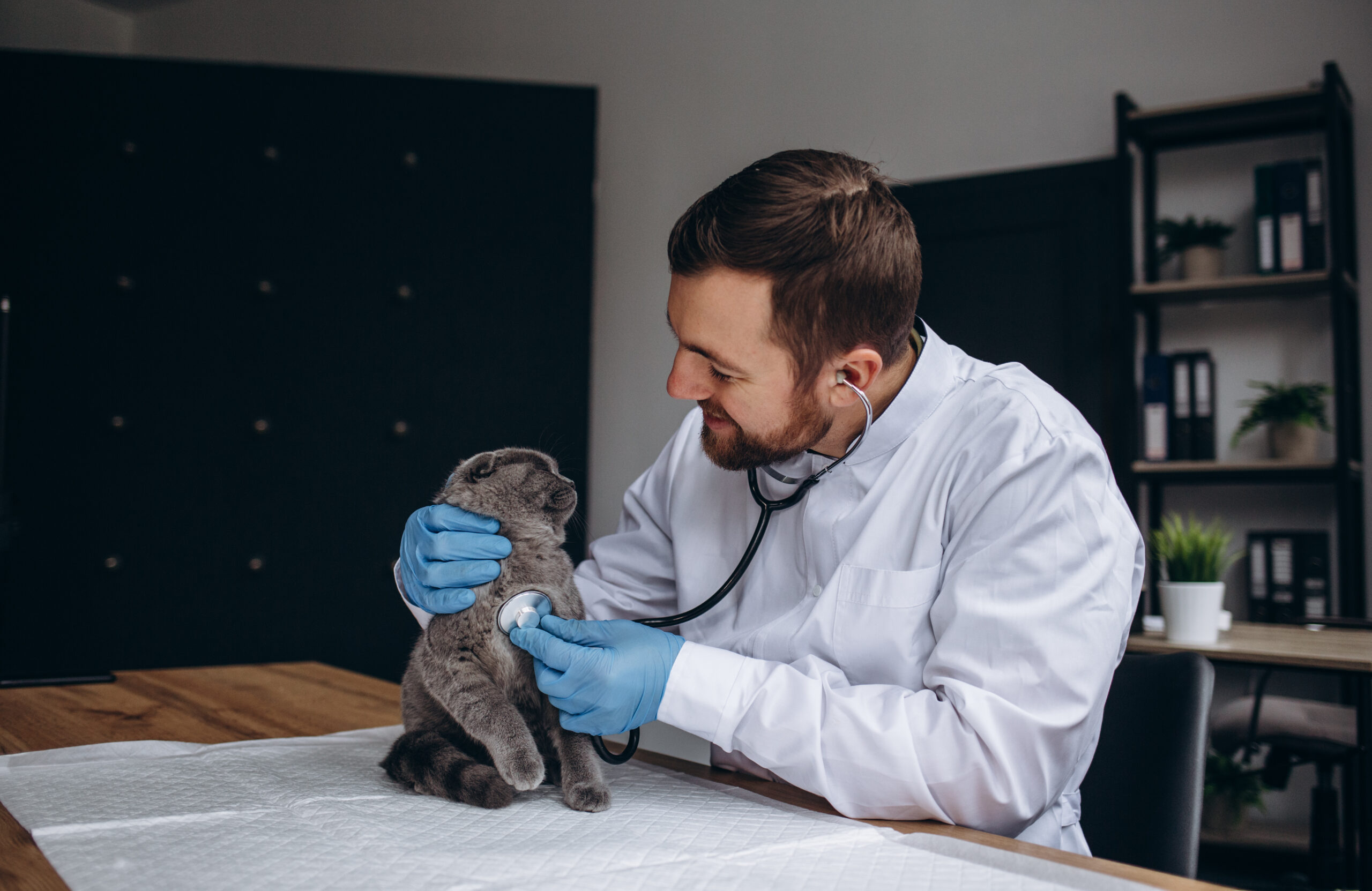
Measuring your pet’s vital signs is a wonderful way to monitor the health of your animal friend. Using a stethoscope and thermometer, you will be able to check the pet’s heartbeat, breathing, and body temperature.
The normal heart rate in dogs varies from 70 bpm to 120 bpm; whereas in cats, the normal rate ranges from 100 bpm to 140 bpm. The respiratory rate should be measured as well. The range for healthy dogs is from 10 to 30 breaths per minute. As for cats, their breathing should be in the range between 20 and 40 breaths per minute. Finally, healthy body temperature of both types of animals lies within the range from 100.5F to 102.5F.
Looking through your pet’s skin and coat will help you identify any existing problems with the pet’s health. Make sure to examine the animal for the signs of inflammation, irritations, itching, and any other abnormalities on the pet’s skin. Finally, do not overlook the state of your pet’s coat.
Ideally, the pet should have a shiny and neat coat. Should you notice any changes in your pet’s skin or coat conditions, contact a veterinarian.
Watching your pet’s stools and urine is another important step since it allows detecting potential diseases. Pay attention to the color, texture, and frequency of stools and urine.
The normal color of healthy pet’s stools is dark brown; however, if there is some deviation from the norm, the pet suffers from some diseases. Similarly, alterations in the urine color or its smell indicate that something is wrong with the pet’s health. The healthy urine should be clear, light yellow, without smell and blood in it.
Keeping a health journal is a wonderful tool to control the condition of your pet for a long period of time.
Write down information about your pet’s body weight, eating habits, and vital signs to analyze them later and spot any deviations. Pay attention to the changes in pet’s behavior as well. This is the best way to detect possible problems in order to prevent them.
Despite the fact that paying attention to your pet’s health at home helps you to recognize any diseases timely, sometimes the assistance of a professional specialist is required. You should contact a veterinarian if you notice the following symptoms in your pet:
With the help of these guidelines, you will manage to prevent all kinds of diseases and injuries.