May 24, 2026

As a pet owner, the idea of your dog or cat battling obesity might be very frightening. First, obesity has a significant impact on the health of pets. Obesity in cats, like in people, leads to various issues, including physical health problems such as arthritis and diabetes. Mental disorders, on the other hand, can result from an inability to engage in normal physical activities such as play and walking. Moreover, obesity might affect the lifespan of animals because, according to research, pets who are obese tend to live shorter lives. Prevention of obesity in pets, however, is possible with relatively simple adjustments to their diets and lifestyles. Thus, understanding how to prevent obesity is essential.
While obesity is a rather complex problem that might be influenced by many different factors, in general, the primary causes of obesity in pets can be associated with the animal’s genetics, nutrition, and lifestyle. While some pets are genetically prone to gaining excessive amounts of weight, others can put on additional pounds as a consequence of poor diet and lack of exercises. Consequently, a diet is an essential element that plays a key role in the obesity prevention process. It is crucial to pay attention to the caloric value of the food consumed by pets. Since overeating and gaining additional pounds can be a slow process that does not always cause severe reactions from animals, prevention of obesity is highly recommended.
One of the most important elements of pet obesity prevention involves providing them with a balanced diet. Indeed, giving pets proper food that would supply the necessary calories and nutrients without being harmful is vital for avoiding health issues. Therefore, when choosing appropriate food for your pet, you should pay particular attention to the following issues. First, pets require different kinds of food depending on several factors. Puppies, kittens, older animals, and active pets require different types of food depending on whether they have a special need for certain vitamins and nutrients. Therefore, the selection of proper food should be performed based on such aspects. Second, there are plenty of products available for dogs and cats; hence, careful choice of appropriate food is important. The advice and recommendation of a professional veterinarian can be quite helpful in such cases.
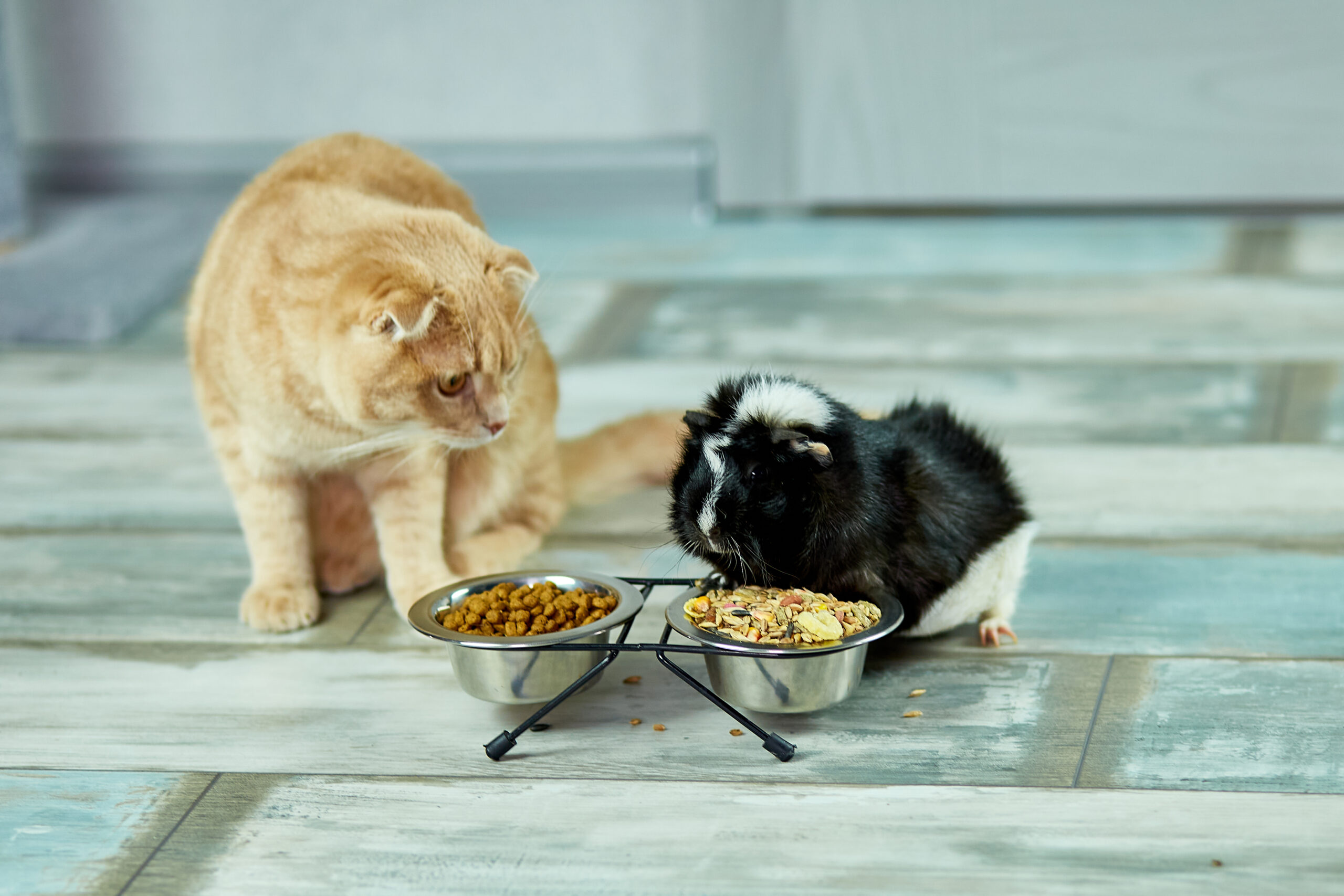
Another important aspect of pet care that must be considered when it comes to obesity prevention is that of pet nutrition and food. In general, while there are a variety of different pet food options to choose from, selecting a proper diet that would be appropriate for your cat or dog is vital. In order to choose the most suitable food for your pet, you can contact a veterinarian to receive professional recommendations. In addition, there are certain tips regarding food choice that can help you choose the best product for your companion. For instance, canned and dry food is equally good, but wet food has more water content and therefore can be more filling.
In addition to proper diet, which is a major factor in pet obesity prevention, another important component that contributes to obesity avoidance involves exercises and physical activity. Indeed, regular exercise and training help dogs and cats maintain their ideal body weight because, among other things, they enable pets to burn excess fat. Hence, physical activity can significantly influence weight loss, and the type of physical exercises chosen for your companion depends on several factors. In particular, since pets of various ages require different amounts of physical activity, you should consider this aspect carefully. Besides, there are many different activities that you can perform with your pet in order to keep him or her engaged.
As mentioned above, feeding pets a balanced diet and performing physical exercises is vital for keeping them in shape. However, there are also a few other effective techniques to help control and manage pets’ weight. First, you should limit treats and other snacks that can be harmful and induce weight gain. In addition, you should encourage pets to engage in physical exercises as much as possible by playing with them. There are plenty of toys, balls, and other items that can make pets do extra physical work to have fun. Finally, you should also limit feeding time for your companion in order to keep him or her healthy.
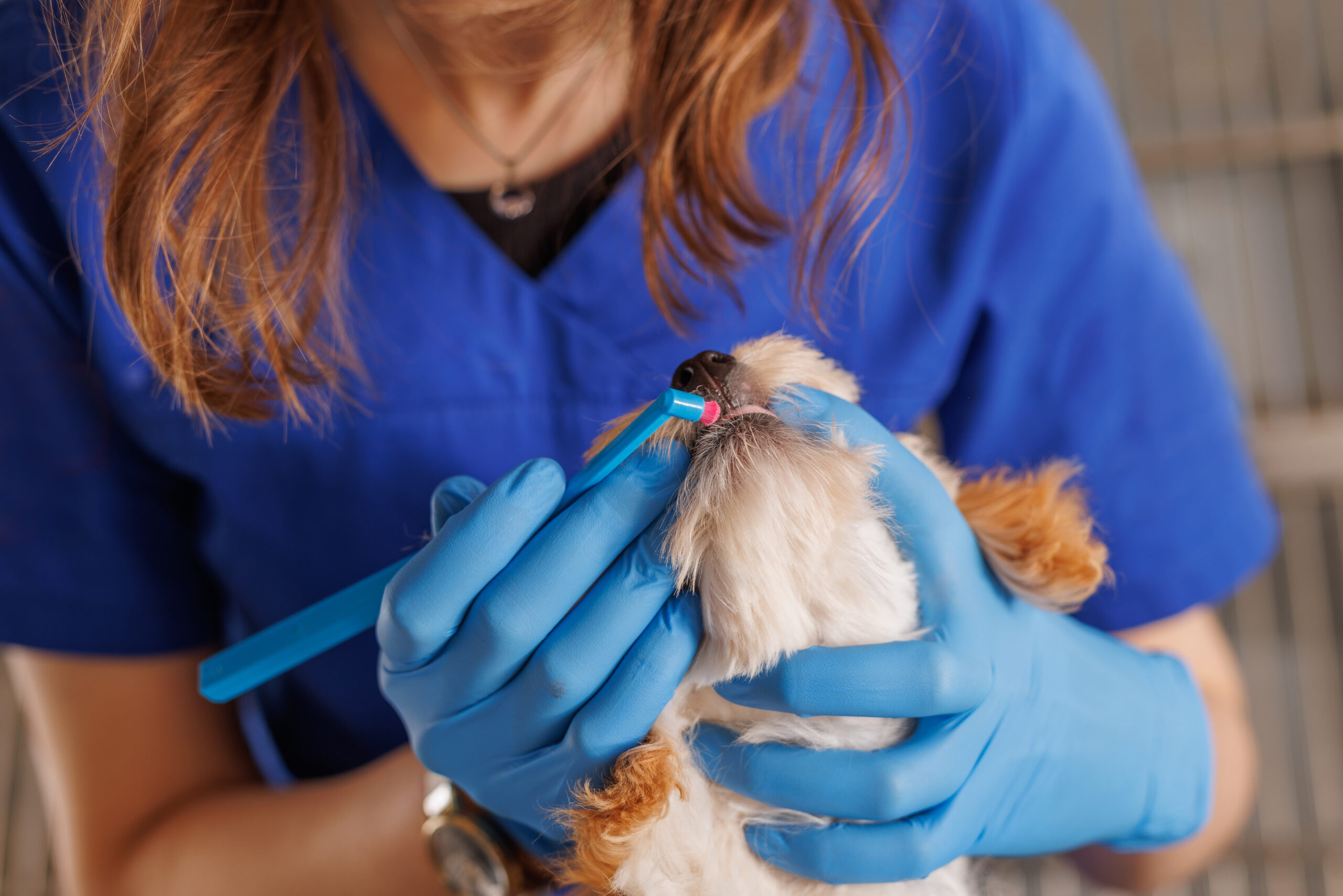
Since obesity prevention includes the implementation of several measures to avoid the occurrence of excessive pounds and unhealthy conditions of pets, regular monitoring of their health is also essential. Indeed, the process of prevention and maintaining pet’s healthy state requires close attention paid to their physical well-being. In order to be able to determine the health state of your companion and to avoid further risks of illness or development of diseases, regular check-up visits to a veterinarian can be quite beneficial. Furthermore, monitoring your pet’s health implies weighing him or her regularly.
To summarize, obesity in pets is a serious problem that can affect the health and overall well-being of your companion. Obesity prevention is an important and rather easy task that can be accomplished with relative ease with a few simple tricks. In order to prevent obesity in pets, you need to feed them a healthy balanced diet, perform physical activities with them, control and manage their weight, and monitor their health state regularly.