
May 24, 2026


A pet owner knows all too well the necessity of taking his animal friend to regular check-ups by a veterinarian and giving him proper food. However, another vital factor, which should never be overlooked, is the condition of the pet’s mouth and, in particular, its dental health. Unfortunately, the lack of proper care can have dire consequences for your pet, which range from a bad breath to dangerous infections or even death. This article will give you an insight into what the routine dental care for pets involves and how you can do everything right.
There are quite a few aspects to consider when talking about dental care in pets. Firstly, one should remember that bacteria present in the mouth can spread to the rest of the organism, which leads to various diseases and inflammations. Besides, poor dental hygiene can cause pain and other unpleasant effects, which may spoil the mood of your pet or affect his health dramatically. As statistics reveal, dental problems are among the most common diseases in both dogs and cats, and around 80 percent of them have some dental disorders by the time they reach three years of age. Proper dental care helps one prevent numerous health complications.
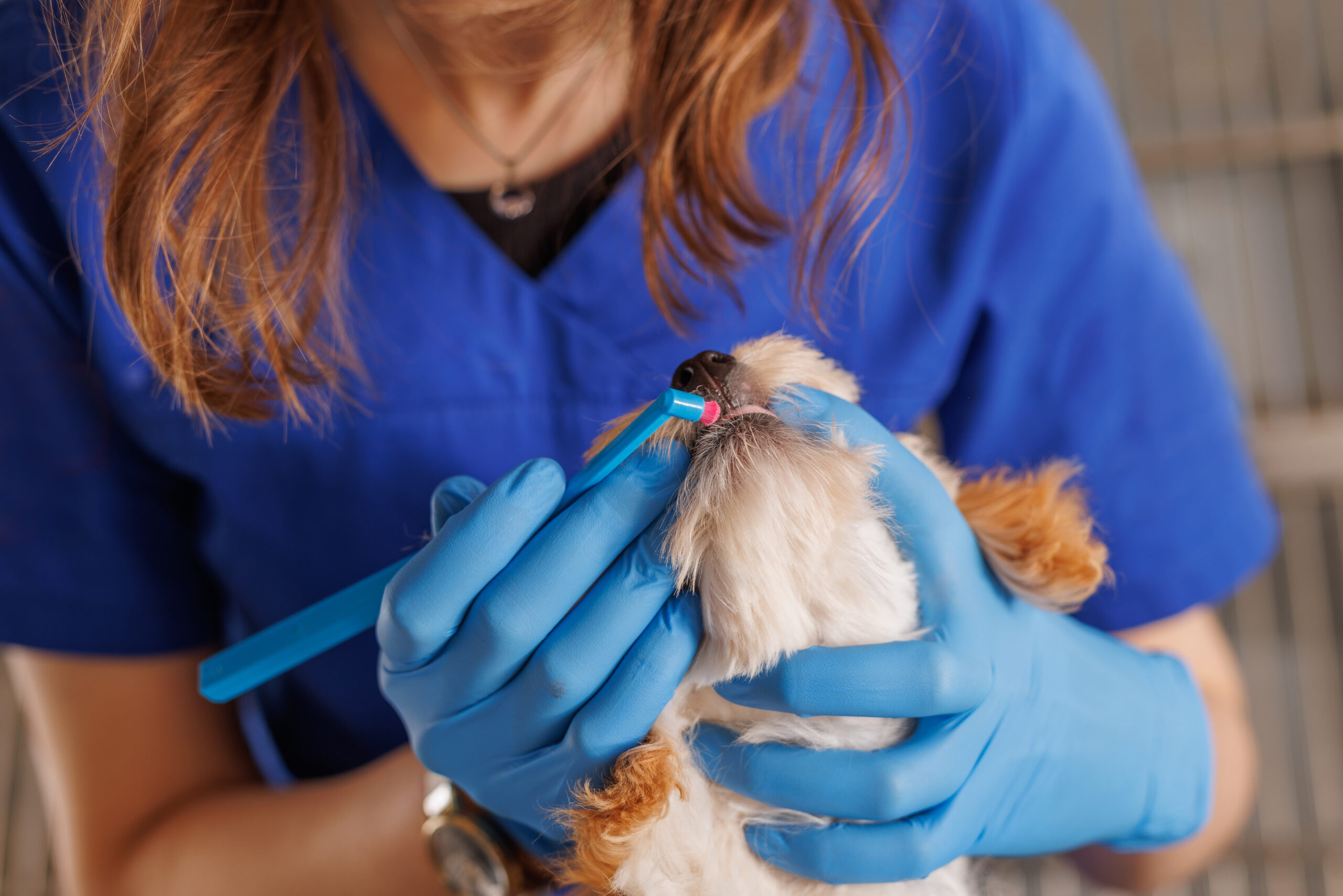
Just like in the case of humans, pets need to have their teeth brushed regularly. Doing so helps clean the teeth from plaque and tartar and, thus, keeps them healthy and prevents bad breath. Brushing the teeth of a pet can be a very difficult task, but the owner can follow certain rules to help himself do it correctly and easily. For instance, it is recommended to train the pet gradually; starting with a teething brush and ending up with a regular one will work well. One should remember to use only pet toothpaste, as the paste made for people is toxic to animals. When brushing the pet’s teeth, focus on the places where teeth and gums meet, using gentle circular motions. Brushing your pet’s teeth regularly can save you lots of trouble in the future.
In order to get started with brushing your pet’s teeth, it is important to understand what kind of products is the best choice for this particular animal. For example, a finger brush is the most suitable choice for small cats and rabbits, while a teething brush will work great with puppies and kittens. Electric toothbrushes designed specially for animals can help those pets whose teeth are very sensitive.
It goes without saying that when brushing your pet’s teeth, it is necessary to buy pet toothpaste rather than human one, as the latter contains toxic ingredients that can harm an animal. Moreover, VetIQ and AAHA (American Animal Hospital Association) approve only certain kinds of toothpaste. You are supposed to purchase them.
Although maintaining proper dental hygiene is very important for preventing oral diseases, it is vital to understand the signs indicating that the pet’s teeth may suffer. Such symptoms as the following should alert you:
In case of any concerns about the condition of your pet’s teeth and gums, you are strongly advised to see a professional vet.
However, besides maintaining good dental hygiene, there is quite a few things one can do to prevent common dental issues. Firstly, one should ensure the pet receives a nutritionally adequate diet that includes such components as pumice or calcium. Secondly, one can offer the pet dental chews and/or chew toys to help clean his teeth and decrease tartar accumulation.
Even in case of good dental hygiene and absence of noticeable signs of oral diseases, a pet needs to visit a vet at least once a year to receive dental cleaning. During such an examination, the dentist will clean the pet’s teeth from tartar, examine them carefully, and give some useful advice.
Usually, before scheduling the cleaning, you should consult a vet first and make an appointment. Prior to the cleaning, a pre-anesthetic evaluation is necessary. During the procedure, the pet is under anesthesia and is being cleaned professionally. Specialized tools are used for this purpose.
To conclude, dental care of your beloved pet is no less important than any other type of care. Following the above guidelines, you will help maintain good dental health and prevent potential problems. Should you have any doubts about it or wish to receive further advice on how to care for the pet’s teeth, consult your veterinarian.