May 16, 2026
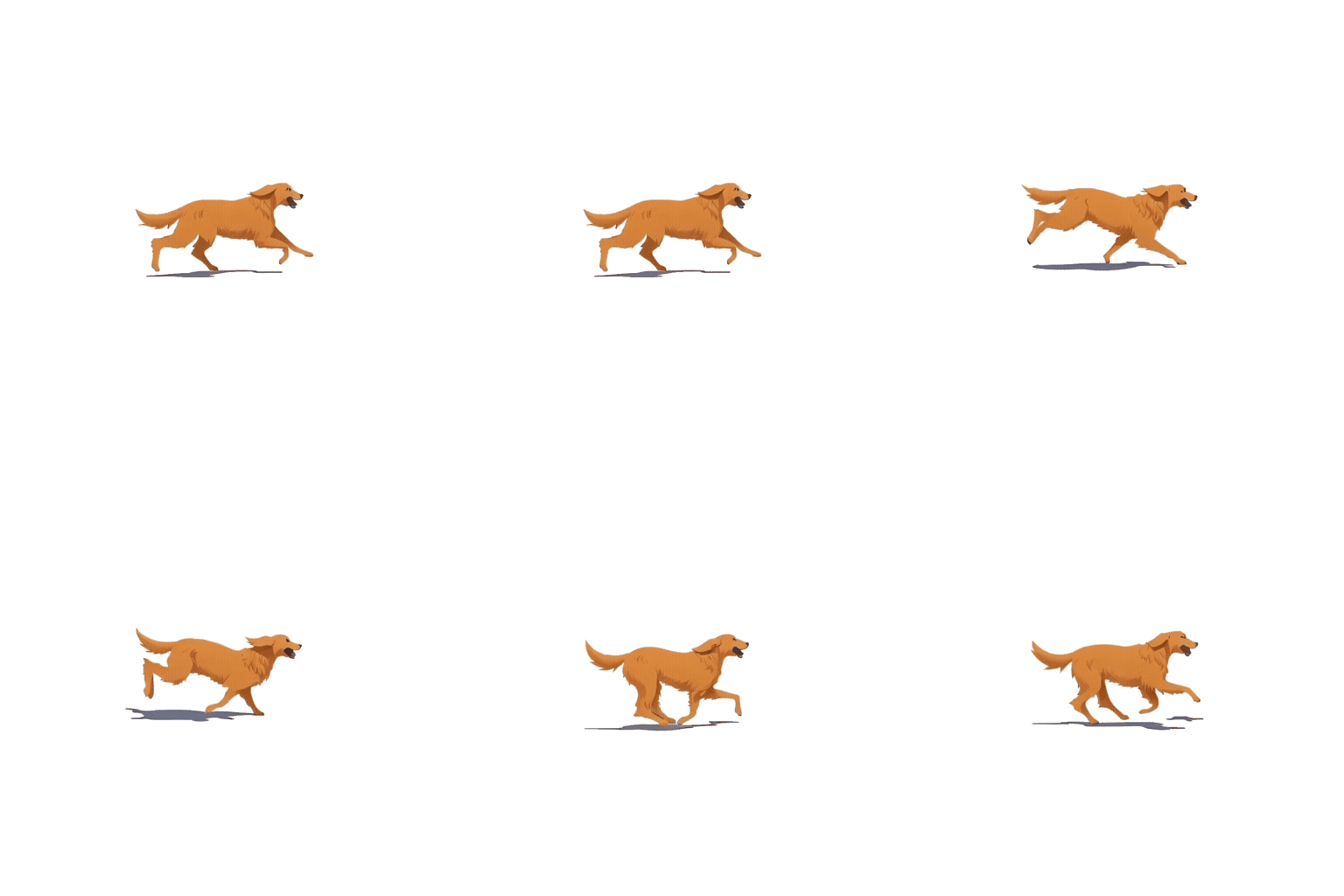

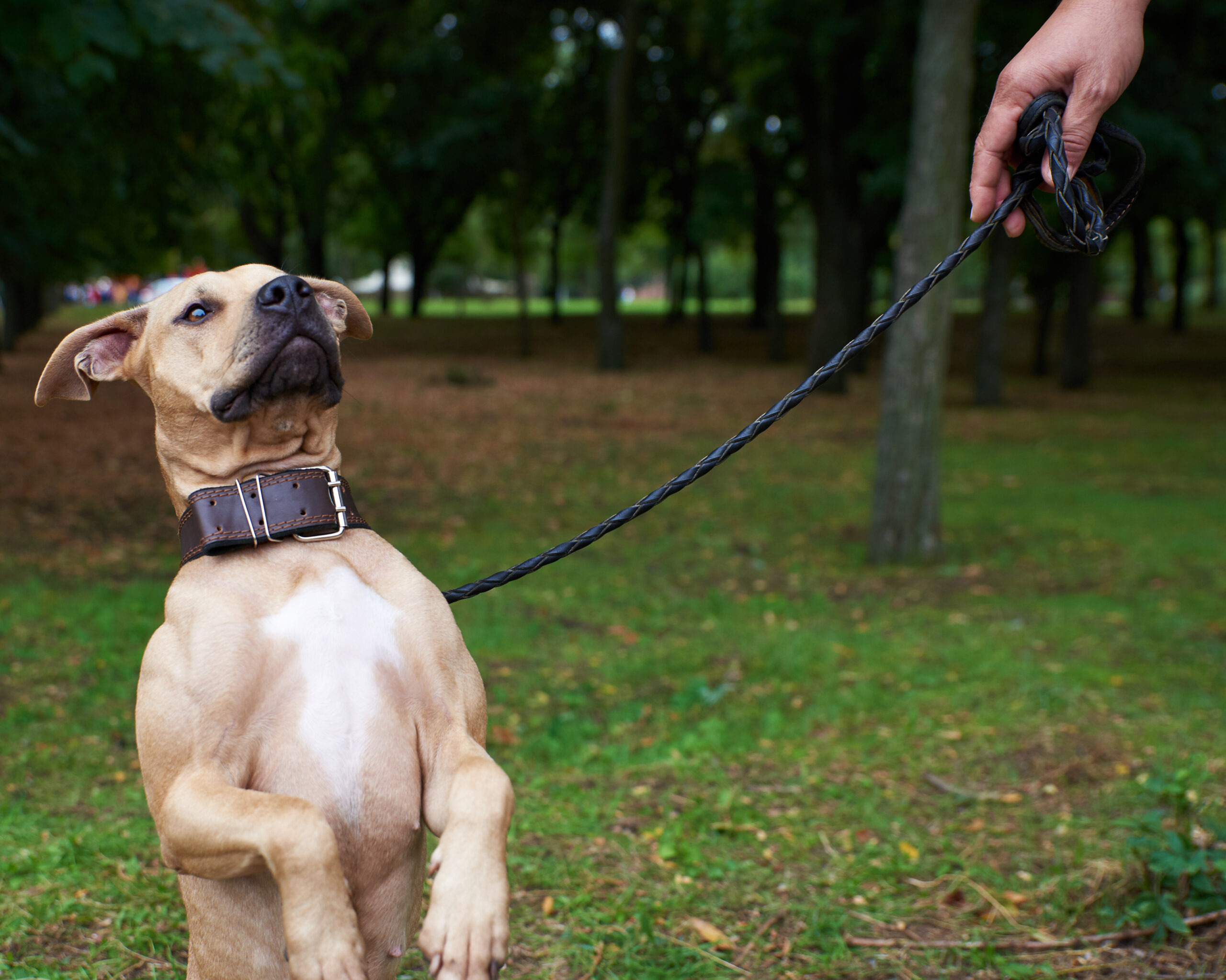
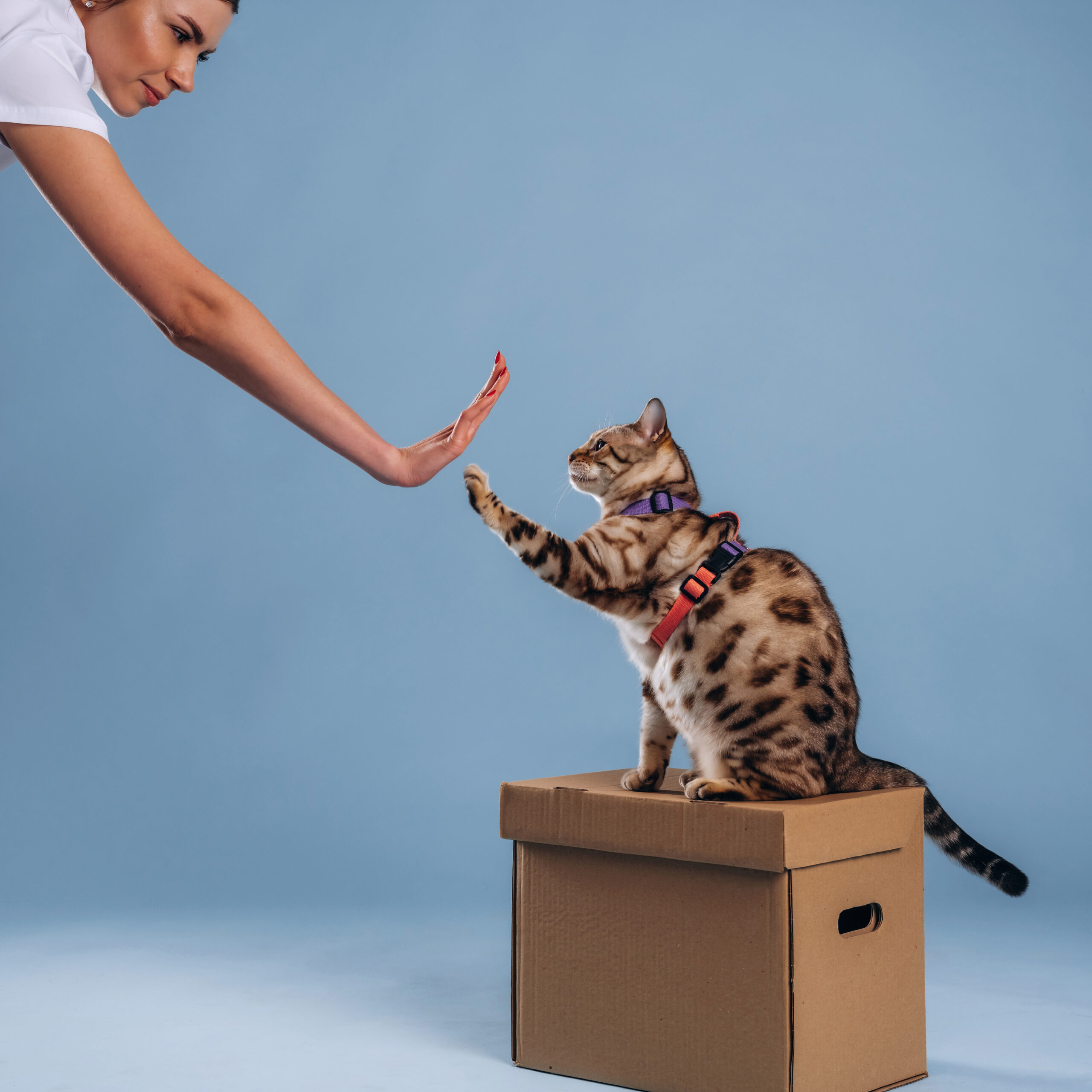
Training pets to obey commands is a rewarding experience that enhances relationships between humans and animals. Teaching pets to obey commands requires patience and dedication. This is because some pets take time to learn the right way to respond to certain commands. Nevertheless, this exercise is beneficial for both parties as it simplifies life for pet owners and fosters good relationships between pets and their owners. Whether novice or experienced pet owners, they should think about learning how to communicate with their pets to ensure peaceful co-existence within the household.
Learning how to communicate with pets demands respect and knowledge of pet behaviors. Owners can determine the meaning of specific behaviors exhibited by their pets. For instance, owners can determine what their pets want based on their postures, facial expressions, and vocalization. Additionally, pet owners can observe their pets and understand the behaviors exhibited to determine whether they are trying to pass a message. For instance, a pet’s resistance to commands indicates that it has problems with certain orders or cannot understand what they want from the pet. Therefore, owners can reconsider their ways of teaching pets commands.
Developing a conducive environment to enhance training efforts is important for enhancing obedience in pets. Pet owners should choose quiet places where pets cannot be distracted. Furthermore, the chosen areas should be free of hazards that can cause pets to lose concentration during training sessions. One method of encouraging pets to obey certain commands is to use positive reinforcement. Pet owners can offer their pets treats and praise when they accomplish tasks as required. For instance, when teaching dogs to sit, owners should offer treats to pets each time they sit down. As soon as pets learn to obey the command, owners can stop giving treats but praising them for doing a good job.
Pet owners can choose from different commands depending on their preferences. Some of the commands can keep pets safe, socialize them, and instill desirable behaviors. Basic obedience commands include sit, stay, leave it, and come. These commands are essential for pet owners who want to maintain control and security in their interactions with pets. In addition, pet owners can develop commands for their pets as per their training needs. For instance, if the pets are predators, owners can design commands to prevent pets from hunting prey. Moreover, if the pets have a fear of loud noises, pet owners can develop commands to encourage pets to pay attention to owners without fear.
Owners can train pets to sit through the provision of rewards to motivate them. The owner can give pets treats and put them in front of their pets’ nose. While using treats, owners can lift treats and guide their pets to sit by moving treats upwards and backward towards their pets’ tail. At this point, the owners should say “sit” in a calm manner to prompt pets to sit and follow the command. Once pets sit, the owners can offer them treats to reward them for their good work. Pet owners can continue practicing this technique to help pets learn how to obey the command.
The owners can train their pets to stay through a step-by-step process. Initially, the owners should ask their pets to sit, then gradually walk away and test whether the pets can stay in their positions. Whenever pets break the stay command, owners should ask them to sit down and repeat the exercise. After some time, the owners can walk away from pets for more extended periods to check whether they can stay in one position. Pet owners can motivate their pets to stay through treats and praise. Ultimately, pets will remain at one spot when owners ask them to stay.
Owners can teach their pets to obey the “come” command by calling them. Pets will come to their owners whenever they call them due to treats or praise associated with obeying the command. Nevertheless, pet owners should start training their pets in quiet places and without any distractions before introducing distractions such as strangers, other pets, and toys. As soon as pets develop the ability to obey the command, pet owners can introduce some distractions to test their responsiveness. Pet owners should always reward their pets with treats and praises whenever they respond to their commands.
Pet owners face numerous difficulties in training pets. Among the challenges include lack of motivation, distractibility, and fear and anxiety among others. Pet owners should try to find out what causes these difficulties and address them to encourage pets to respond to commands effectively. For instance, pet owners can change their motivations and teaching methods to enhance learning abilities in pets.
It is possible to train pets to obey commands through positive reinforcement training techniques. First, pet owners should understand their pets. Second, owners should select appropriate training sites for pets. Third, pet owners should choose commands to teach their pets. Finally, pet owners can teach their pets to obey commands such as sit, stay, and come. Nevertheless, pet owners should consider the unique training needs of some pets.