May 24, 2026

As a pet owner, you are always searching for any changes or symptoms indicating your animal has got sick. The earlier you notice the symptoms and treat your pet accordingly, the faster its condition will improve, and you will have a chance to avoid any serious complications. However, some symptoms are easy to ignore or overlook since they do not indicate anything serious. It is necessary to know how early symptoms of illness in pets look so that you could save their lives.
A behavioral change might serve as a symptom of any illness. The way your dog or cat behaves can show whether something is wrong with their health. For example, your dog can become less active than usual, showing no interest in playing or interacting with you. Besides, your pet may hide and avoid contact with you. Some cats also demonstrate unusual behavior, becoming vocal, restless, and agitated. These behaviors can be explained by any illness.
Another typical change in behavior is related to appetite. An animal that eats more or less than regularly needs urgent attention. In the case with less eating, your pet can suffer from kidney problems, gastrointestinal diseases, and cancer. An increased appetite can be a sign of hyperthyroidism and other health issues. Therefore, it is vital to observe your dog or cat and monitor their behaviors.
Physical changes are the second category of possible symptoms indicating an illness in your pet. Any unusual change in weight should alert you and force to contact a veterinarian. Weight problems may point out diabetes, hyperthyroidism, heart disease, and cancer. Apart from weight changes, look closely at your pet’s coat. Redness, itching, inflammation, and alopecia may be caused by different illnesses, from allergies to skin cancer.
The changes in the process of urination should not be overlooked. First, observe the urine frequency and whether your dog has any difficulties in urination. Besides, pay special attention to urine odor, color, and smell. If there is any change here, it means your pet suffers from a serious illness, namely urinary tract infection, kidney problems, bladder stone, and diabetes.
Among all early symptoms of illness in pets, changes in stool quality often go unnoticed by owners. It means you need to look carefully at your pet’s stool to make sure nothing goes wrong. Any change in color, texture, odor, or consistency may mean that your pet is in danger. Usually, diarrhea and constipation are typical stool changes observed among animals.
Diarrhea is often explained by food allergies, gastrointestinal disorders, and stress. Meanwhile, constipation can be a sign of hypercalcemia, hypothyroidism, dehydration, and neurological disorders. In addition, stool quality can show the presence of parasites. Therefore, it is important to monitor your pet’s stool and consult a doctor about any changes.
An increase in body temperature is another common symptom of illness in dogs or cats. A fever occurs due to infections, tick-borne diseases, inflammatory processes, cancer, and allergies. Your pet’s temperature is vital for its well-being, and any deviation is considered abnormal. In addition, it might point out a serious health problem. That is why you should consult a veterinarian at once if your pet has a fever.
Early detection and treatment of any illness in your pet are very important. Timely diagnosis allows you to treat an illness successfully and reduce the risk of complications. The earlier you notice symptoms and treat them properly, the sooner your pet will feel better. In general, it is important to recognize symptoms of illness in pets and take appropriate measures immediately.
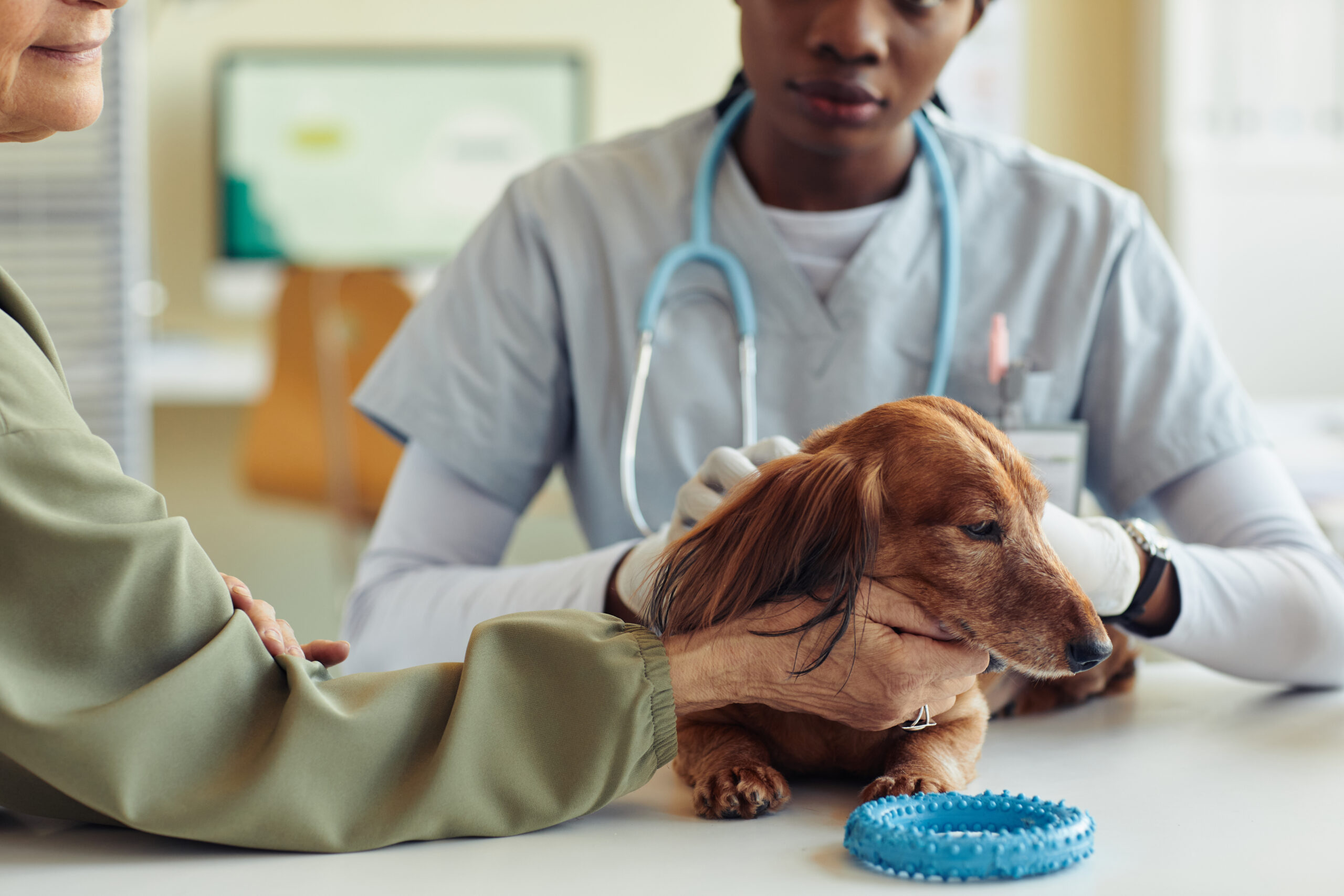
It is advisable to take certain steps as soon as you see any symptoms pointing out your dog or cat is in danger. First of all, you need to contact a veterinarian to receive proper assistance. In addition, it would be helpful to visit an animal emergency clinic for immediate care if needed. It is important not to ignore symptoms because they might cause long-term consequences and even death of your animal.
Symptoms of illness in pets must be taken seriously. Changes in behavior, physical condition, stool quality, and body temperature may point out the development of serious conditions. Being a responsible pet owner, you should recognize early symptoms of any illness and seek immediate help. It is also necessary to remember that early detection and treatment is the key to success.