May 24, 2026


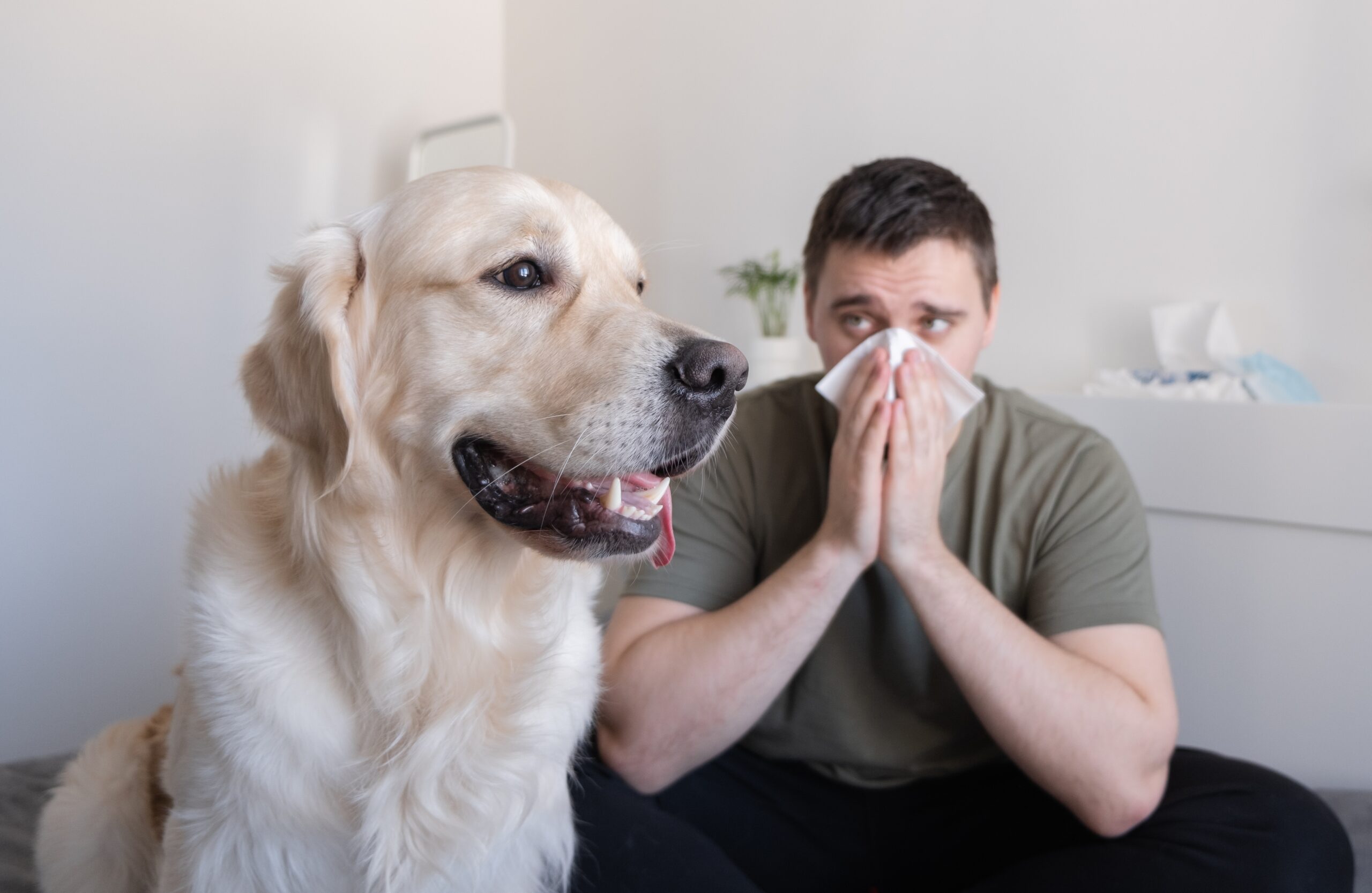
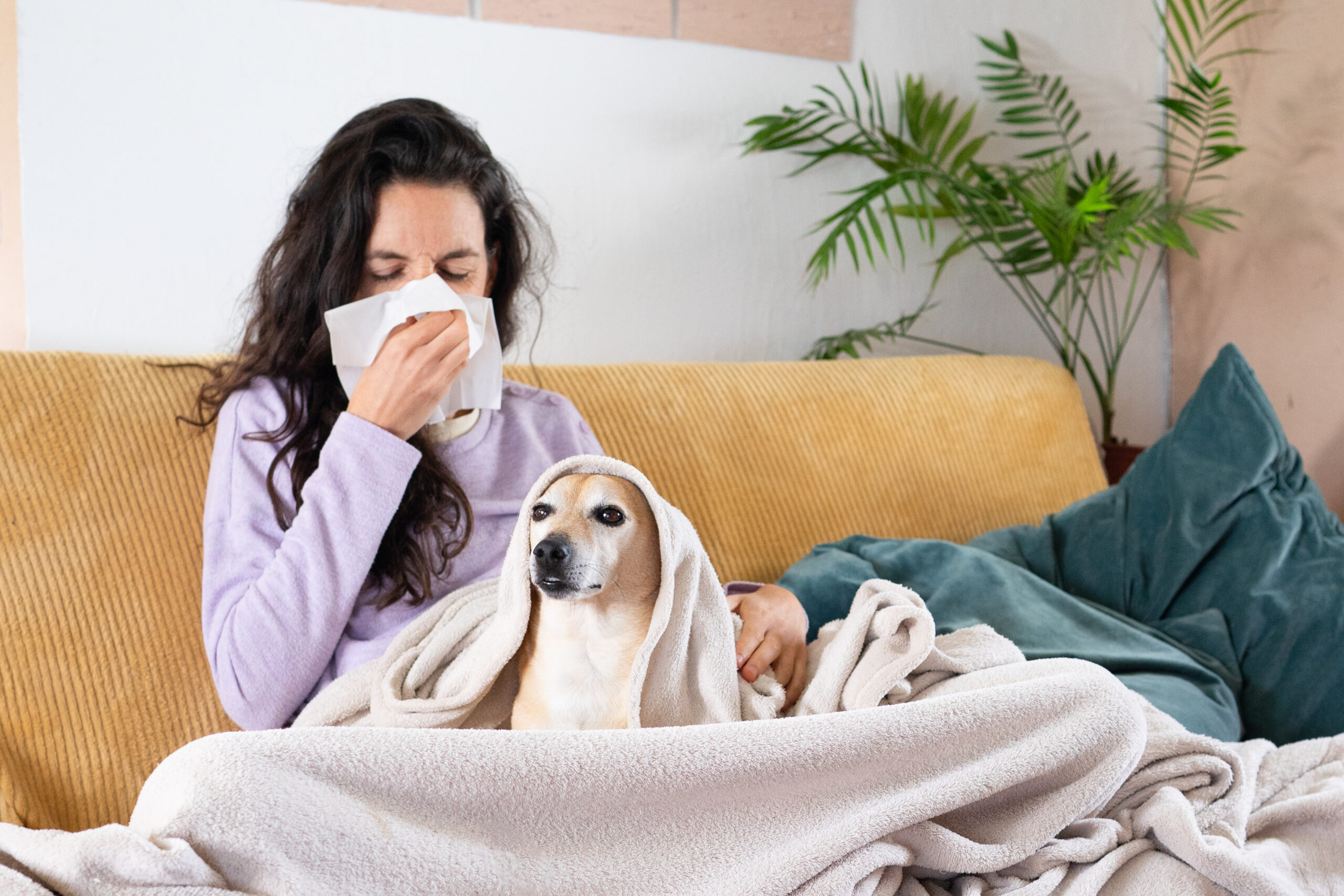
Living with pets is an exciting experience for many people until it starts causing serious problems, such as pet allergies. As you probably know if you’ve ever experienced this kind of reaction, it’s not an easy thing to deal with, especially as it can take various forms: you might experience a sneezing attack, constant coughing, itchy skin and eyes, etc. Therefore, finding effective solutions for coping with pet allergies will definitely become one of your priorities. With some effort and assistance of the right products, it can be done easily.
Before figuring out the right solution for coping with pet allergies, you should understand the way they develop. To put it simply, your body produces an allergic reaction when it meets certain proteins that it recognizes as dangerous and harmful for its functioning. As for pet allergies, they mostly occur due to coming into contact with the following:
Once you come into contact with these pets, the allergic reactions appear because of the proteins present in their urine, saliva, and fur. Depending on the sensitivity of your immune system, you might experience anything starting from mild irritation and finishing with a life-threatening allergic response called anaphylaxis. In order to cope with pet allergies, you’ll need to understand their nature better.
It’s worth noting that the most effective strategy for getting rid of your allergic reactions to pets is creating an allergy-friendly home environment, which requires you to take the following actions:
Firstly, you can decrease the level of pet allergens in your house with the help of the following:
Secondly, it’s recommended that you keep pets away from areas that affect you the most since there’s a great chance that you will feel much better soon. For instance, you should avoid letting your pet stay in the bedroom as long as you spend plenty of time there every day. Alternatively, you can create a separate space where your pet will live alone.
Thirdly, you should use a HEPA air purifier for cleaning your room as it removes 99.97% of all particles (even those 0.3 microns wide), including the allergens mentioned above. Thus, you will create an atmosphere that does not cause allergic reactions.
Finally, you will need some allergy-proof pet accessories, such as:
This way, you will ensure that the environment created by your pet won’t cause any allergic reactions.
As mentioned earlier, it’s crucial to pay special attention to alleviating your symptoms in order to feel healthy again. Therefore, you can rely on the following solutions:
On the one hand, you can visit your doctor and ask him to provide you with some medication or treatment. Among the most frequently prescribed products, there might be:
On the other hand, you will need to start leading a healthier lifestyle. To be more precise, you will need to engage in regular exercising and follow a healthy eating routine. It would also be useful to find some effective stress-reducing methods that suit you the most.
Lastly, you might want to undergo immunotherapy in case you suffer from pet allergies badly. During the procedure, you receive injections with tiny amounts of the allergens, so your body will eventually start tolerating them.
As you see, it’s relatively easy to learn how to manage pet allergies. You just need to create an allergy-friendly home environment, cope with your symptoms successfully, and visit your doctor once in a while in order to make sure that everything goes according to the plan.
Now it’s high time you started managing your pet allergies! To this end, you can try the following tips:
With a little bit of work, you will be able to create a wonderful living environment for both you and your pet.