
Overfeeding your dog or cat may result in many illnesses, ranging from obesity to diabetes. Thus, you should find the right balance between feeding them enough and overfeeding them. This will ensure the proper functioning of your pet’s systems.
Understanding the Risks Associated with Overfeeding
Overfeeding is a dangerous tendency that affects pets’ health and well-being. In case they get too much food in calories per day, it leads to weight gain, which results in the following conditions:
– Obesity. It is caused by the presence of excess body fat, resulting in joint problems, lack of mobility, etc.
– Diabetes. It is characterized by insulin resistance and excessive sugar in the blood of your pet.
– Arthritis. Joint pains and inflammations in the joints of your dog.
– Cardiovascular disease. Illnesses related to blood vessels and hearts of your cat.
Learning About Your Pet’s Nutritional Needs
To prevent overfeeding, you should consider each pet individually because of its age, breed, lifestyle, etc. To learn about the nutritional needs of your pet, read below.
– Age. Your puppy requires more calories than your adult dog. Meanwhile, a senior pet will need fewer calories because of the inactive life style.
– Breed. Labradors and German Shepherds, for example, are predisposed to eating more because of the genes.
– Lifestyle. Sedentary dogs and cats require less food, while very active pets need to eat much.
Monitoring Your Pet’s Weight
In order to prevent the problem of overfeeding, you should pay attention to monitoring your pet’s weight. Consider the following pieces of advice to do that.
– Weighing your pet regularly. You should use the scales specifically meant for pets or ask your vet to give you advice.
– Measuring the portion sizes of food for your pet. Use the measuring cup to make sure you’re giving your pet the right amount of food.
– Consulting with your vet. Your vet will give you professional advice on how to weigh your pet.
Dealing with Treats and Snacks
Another reason for overfeeding your pets is their treats and snacks. To prevent overfeeding, follow the tips mentioned below.
– Limit treats. Your pets shouldn’t receive treats that exceed 10 percent of daily calories consumed.
– Give nutritious treats to your pets. Choose the snacks and treats that are low in calories and contain many nutrients.
– Don’t give table food to your pets. Table food can be very harmful because of the excessive amount of calories.
– Provide your pets with puzzles. It will allow them to engage and distract them from treats.
Properly Feeding Your Pet a Balanced Diet
Your pet needs a proper balanced diet that will satisfy its nutritional needs. The following points will allow you to do it.
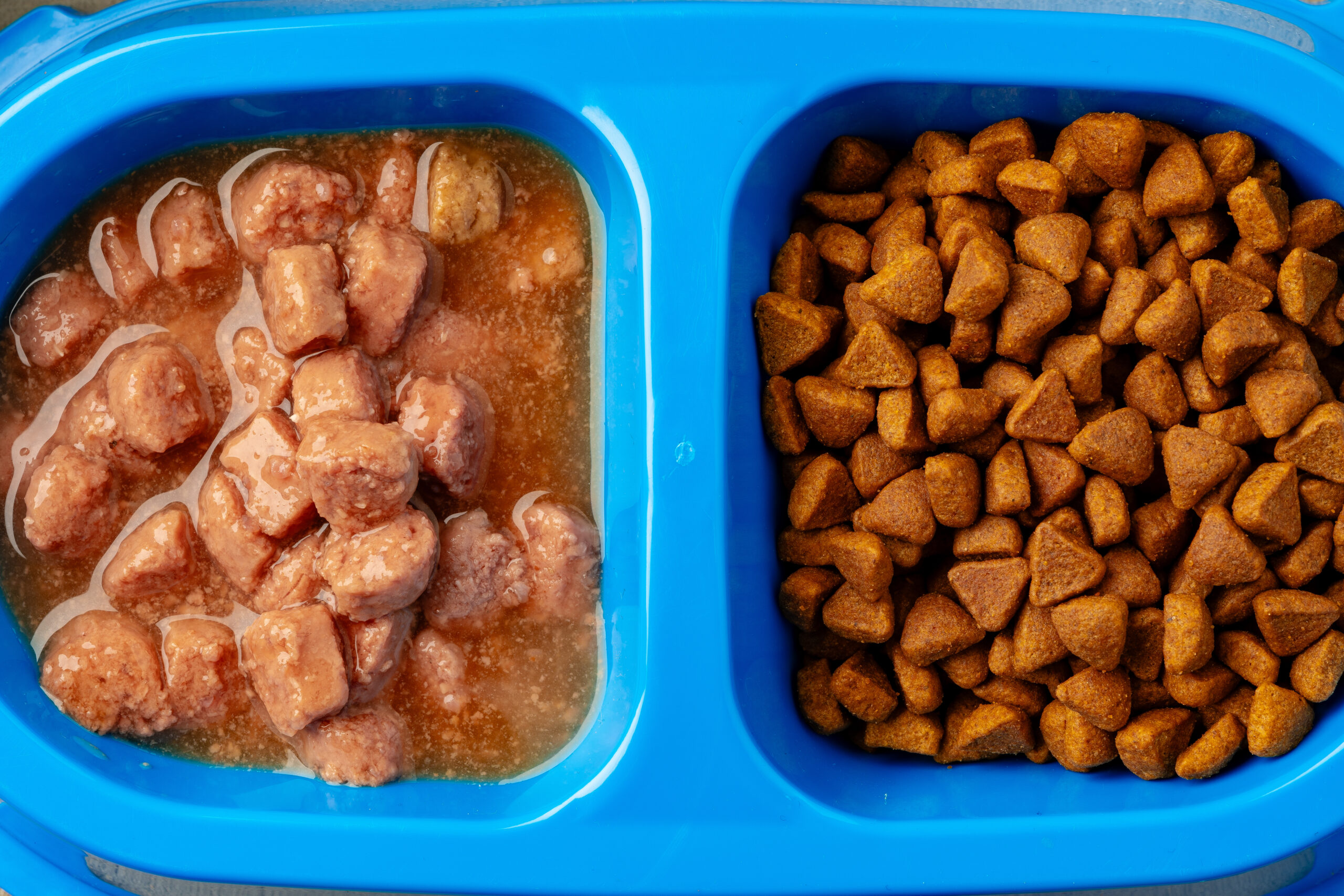
– Chose a high quality food for your pet. Buy commercial foods that are made especially for your pet’s breed, age, life stages, etc.
– Choose a special diet for losing weight. Some pets may need to lose extra weight; for that, they need weight management foods.
– Avoid excessive supplements. Too many of them will disrupt the diet balance.
– Consult with your vet. Your vet may give you professional advice.
Preventing Overfeeding at Different Pet Life Stages
There are several important moments concerning different life stages of pets that will prevent them from overfeeding. Take note of them to make sure you’re doing things properly.
– Puppyhood. It is important to give young puppies food that will supply enough nutrients during growth.
– Adulthood. You’ll need to provide your pet with proper foods according to their needs.
– Seniorhood. It is recommended to provide them with reduced calorie food.
– Pregnancy/lactation. Pregnant and lactating females need extra nutrition because of physiological processes.
Dealing with the Problem of Overfeeding in Different Breeds
Some dog breeds are more prone to overeating because of genetic predispositions. You should deal with the problem of overeating in different breeds as mentioned below.
– Labrador. They tend to gain extra pounds; therefore, it is important to watch their food.
– German Shepherd. These dogs should be limited in treats to avoid obesity.
– Bulldog. Because of the brachycephalic skulls, they are at high risk of obesity.
Conclusion and Recommendations
As you can see, preventing overfeeding of pets is important to make sure your dogs and cats won’t have any diseases. Therefore, you should take into consideration their age, life stage, breed, needs in nutrients, etc., and adjust to these aspects when choosing the food for your furry friend. If you have difficulties, consult with your vet.