May 19, 2026

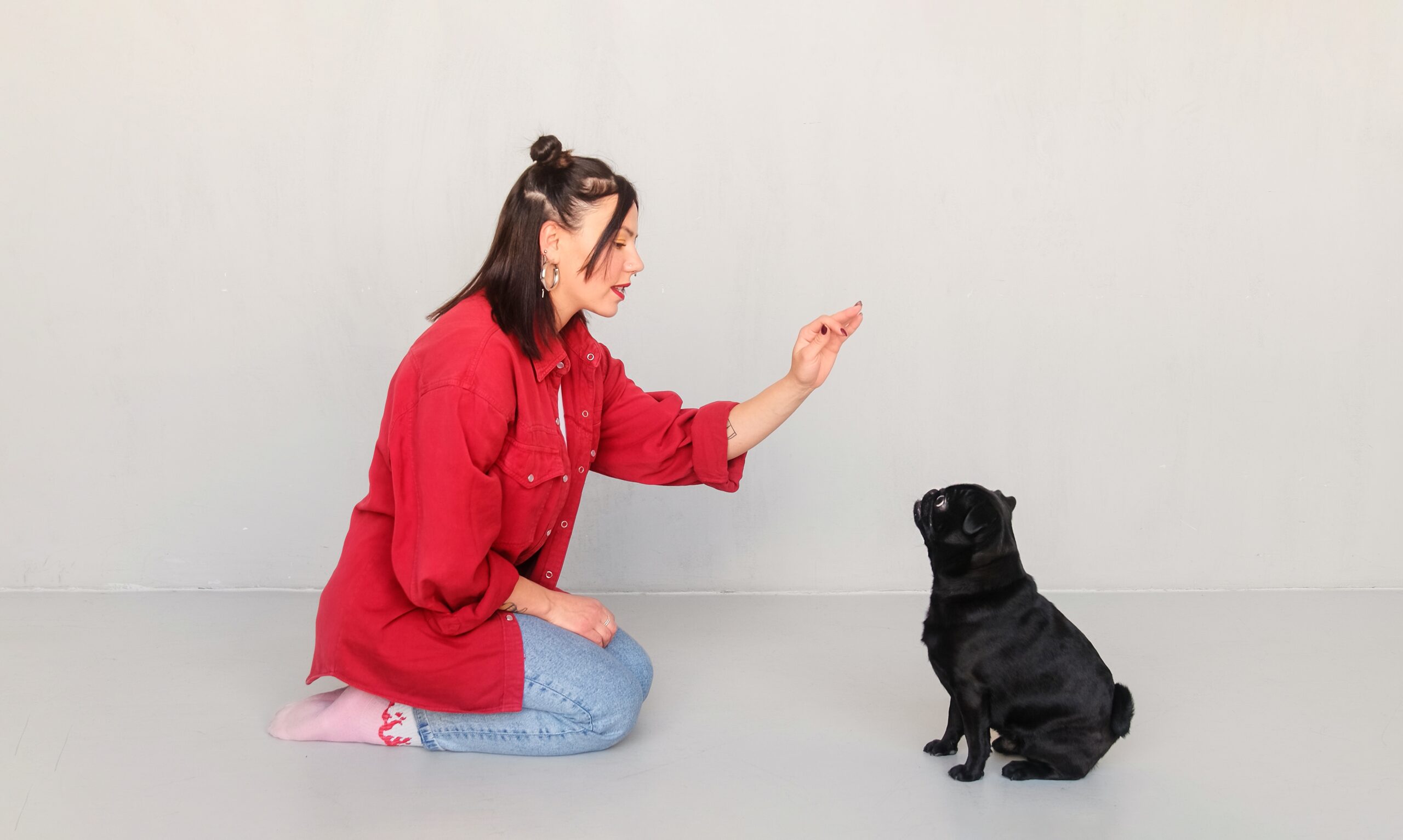
Patience methods are among the best techniques for training stubborn dogs. Understanding how canine brains function is essential to comprehend what the dog feels in the particular situation. Getting angry at a dog that does not obey commands is counterproductive and will make training processes more challenging for owners and pets. Patient treatment of a pet’s peculiarities is one of the primary tools for successful communication. Adopting a dog-friendly attitude will create an environment in which it will be comfortable and ready to cooperate.
Canines’ brains react differently to reward and punishment mechanisms. Moreover, canine brains perceive emotions and previous experiences as a source of fear and joy. Therefore, a dog that feels insecure might become defiant. Understanding canine psychology is essential for establishing a solid relationship with a dog, which is crucial for proper training. If an owner demonstrates empathy and patience, a dog will be willing to listen and learn.
It is necessary to understand that dogs have strong emotional reactions, which is why they might act unexpectedly in certain situations. Dogs can easily pick up on their owner’s mood and emotions, which is why an owner should demonstrate calmness even when the pet misbehaves. The ability to demonstrate self-control will help establish trust and create a favorable training environment.
Establishing boundaries is vital when communicating with a stubborn dog. To form a reliable relationship with a pet, it is crucial to set clear rules and expectations, which will be crucial for further cooperation. Moreover, it is essential to provide a consistent schedule in which the dog will be able to adapt and find a routine. The main idea behind creating an effective partnership is to establish mutual respect and trust between an owner and a pet.
Using positive reinforcement techniques is vital when training a stubborn dog. The method suggests rewarding good behavior rather than punishing bad ones. Thus, the animal will associate positive actions with rewards. For instance, if a dog pulls on a leash, it is crucial to encourage the dog to behave correctly by giving treats and showing affection when it walks calmly.
Maneuvering with distractions is a critical aspect of patient training for stubborn dogs. The presence of other dogs, strangers, or different objects can significantly distract a pet, which might complicate its behavior. It is crucial to teach dogs to maintain concentration despite the distractions. In addition, it is vital to provide commands to dogs to divert their attention and teach them how to respond to specific stimuli.
There are several techniques for learning how to manage distractions in patients. First, it is essential to create a routine that will help dogs understand what is going on and respond accordingly. Second, it is possible to use commands that would help dogs understand what they should do and concentrate on something else. For instance, if there is a dog walking nearby, it is possible to say “Look.” After the dog shifts attention to its owner, the latter can offer a treat and praise it.
It is essential to learn how to exercise patience when working with stubborn dogs. It is impossible to remain calm if a dog constantly misbehaves; thus, patience is the key to success. An owner needs to learn how to control themselves and remain calm in various situations. Thus, an owner should start with developing self-control to avoid any stressful moments while communicating with a dog.
There are several techniques for improving patience and self-control. It is crucial to start with small exercises that can help calm down quickly. For instance, it is possible to learn how to meditate to reduce stress and anxiety and relax. After becoming calmer, it is possible to teach dogs how to obey and behave properly without showing anger.
Creating a positive atmosphere is essential to help dogs understand and respond to owners’ orders and requests. Providing a comfortable environment where a pet will feel relaxed and protected can help create favorable conditions for successful training. It is necessary to ensure that all requirements for a dog’s well-being are met to guarantee success.
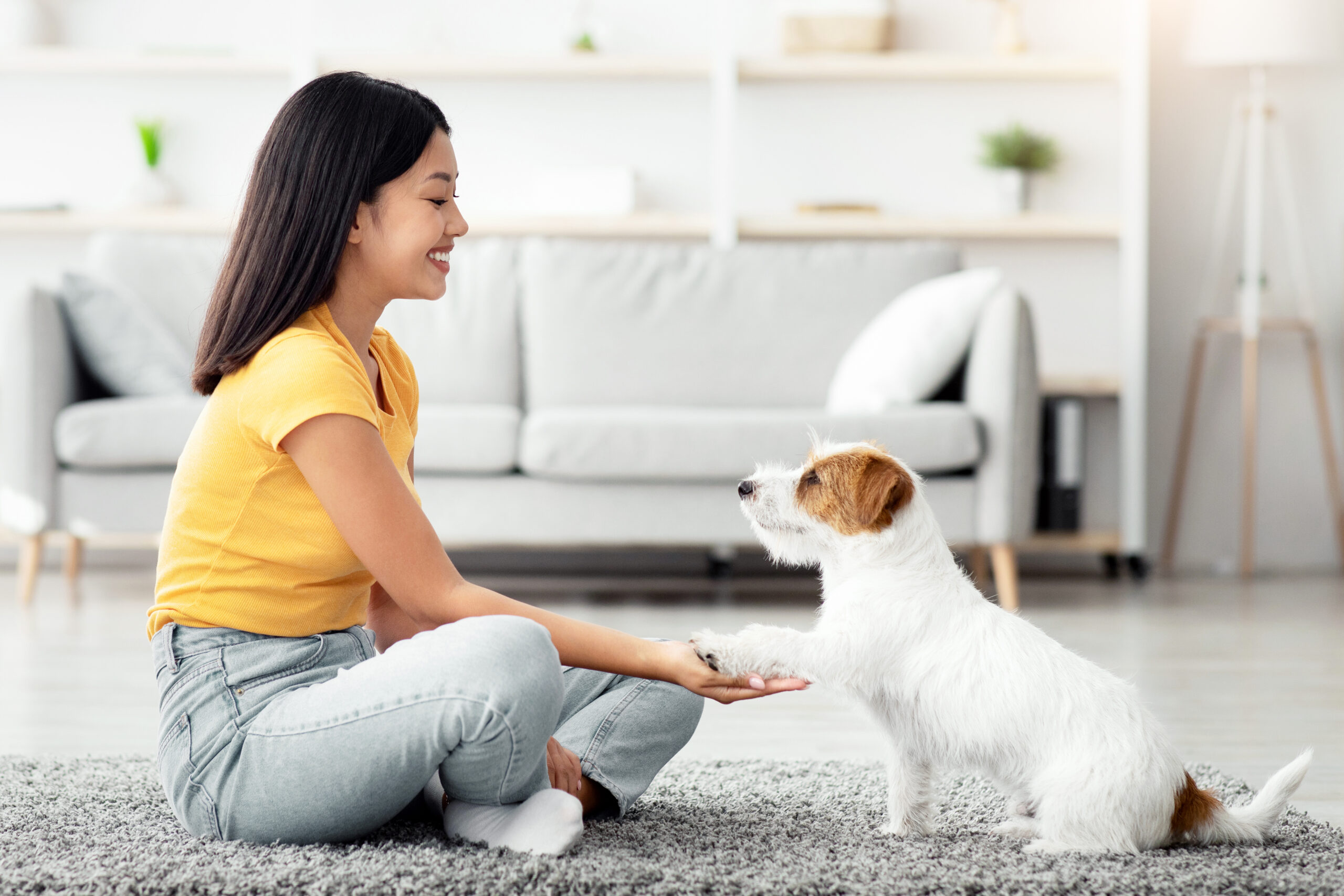
Positive reinforcement training can help teach a dog to comply with the owner’s demands. Rewarding desirable behavior will help dogs associate it with praise and treats and repeat positive behavior again. It is crucial to show the dog love and care when it behaves correctly to encourage repetition of positive behavior.
Patient-based training techniques are effective when training a stubborn dog. Understanding how a canine’s brain works can help establish a positive connection between an owner and a dog and teach it to respond appropriately. It is crucial to learn how to exercise patience and control emotions. There are numerous techniques for achieving that, including meditation and relaxation exercises.