
May 19, 2026


Usually, when we train our pets, we tend to rely on punishments and the use of force. However, such approach may only lead to increased stress levels, aggression, and even to the creation of distance between you and your pet. There are other ways how you can train your pets successfully.
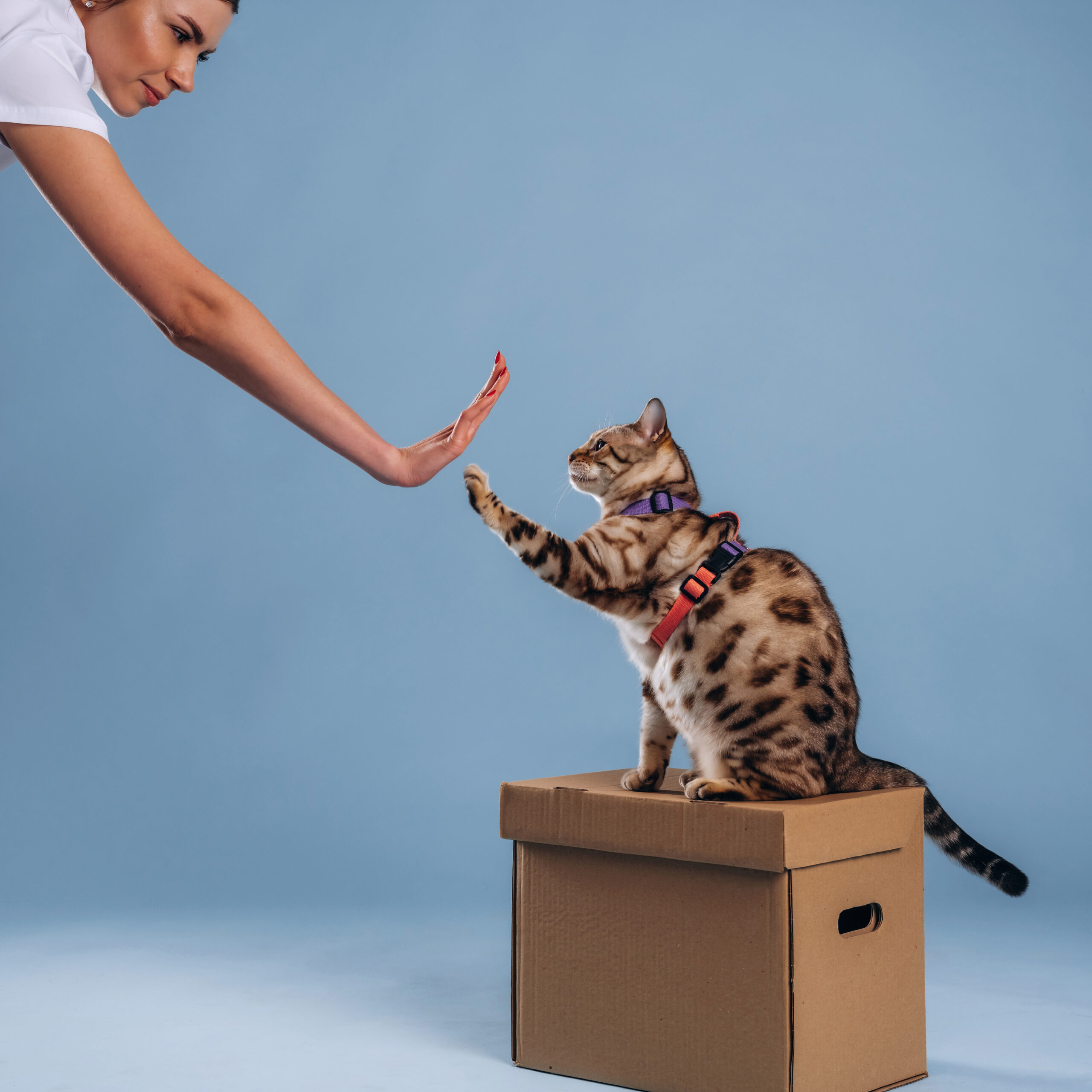
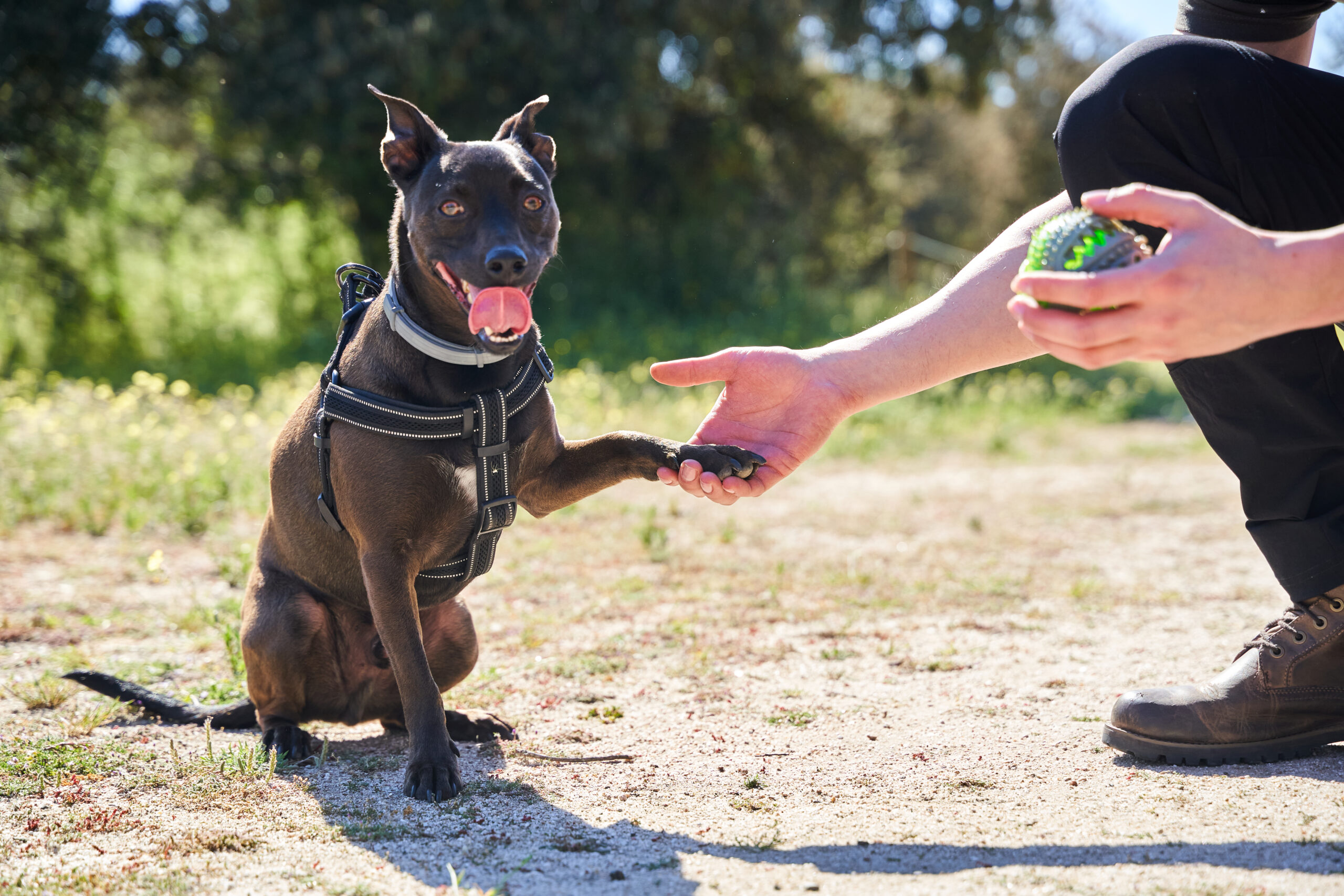
Positive reinforcement is an approach to pet training when your pet learns to do things through rewards and reinforcements instead of punishments. Through using treats, praises, and petting, you will turn your pet into a well-mannered and obedient companion.
As simple as that. Positive reinforcement training means that if you can create a positive experience for your pet while he or she is doing something, he or she will continue repeating such behavior. It works that way because, during positive experiences, our brains release dopamine, which reinforces our actions and helps feel satisfied. In relation to pet training, positive reinforcement simply means that you pet will want to behave well all the time since the behavior will be associated with feeling good.
Positive reinforcement is an excellent method that can help train your pet to behave properly in a relatively short period of time. Moreover, such approach to training can also improve bonding and cooperation with your pet as you both have common goals in teaching your pet.
One of the essential elements of positive reinforcement is selecting a reward. Rewards should be meaningful for your pet and also easy to give. Some popular forms of rewards for pets include the following:
Depending on what motivates your pet the most, you can select rewards that will help you motivate your pet. If, for instance, your pet cannot consume some types of food for health concerns, treats might not be an appropriate reward for your pet. At the same time, if your pet is very playful, you can use physical exercises as a reward.
Here is a step-by-step plan that can help you create a perfect positive reinforcement plan for your pet:
Following these steps, you can come up with a tailor-made training plan for your pet.
Even though there are several benefits of using positive reinforcement training approach to your pets, there are also some challenges to it. Here is what you can do in case you faced some of the following issues while trying to train your pet:
These tips may help you cope with these potential challenges.
When you become experienced enough in training your pets using positive reinforcement techniques, you can start practicing more sophisticated methods of training your pets. Some of those include:
Positive reinforcement can help you teach your pet to behave properly in a relatively short time frame. By rewarding and praising your pet, you will make him or her well-mannered and obedient. If you want to apply positive reinforcements in order to train your pets, you should create a training plan first.