May 19, 2026


Litter training your feline pet is not always easy; however, with the proper strategy and guidance, it will be much simpler than expected. The key is to ensure you have the right equipment and materials, including a litter box, a proper place for it, and the appropriate litter material. Cats are clean animals that will quickly get accustomed to the litter box when you do everything correctly.
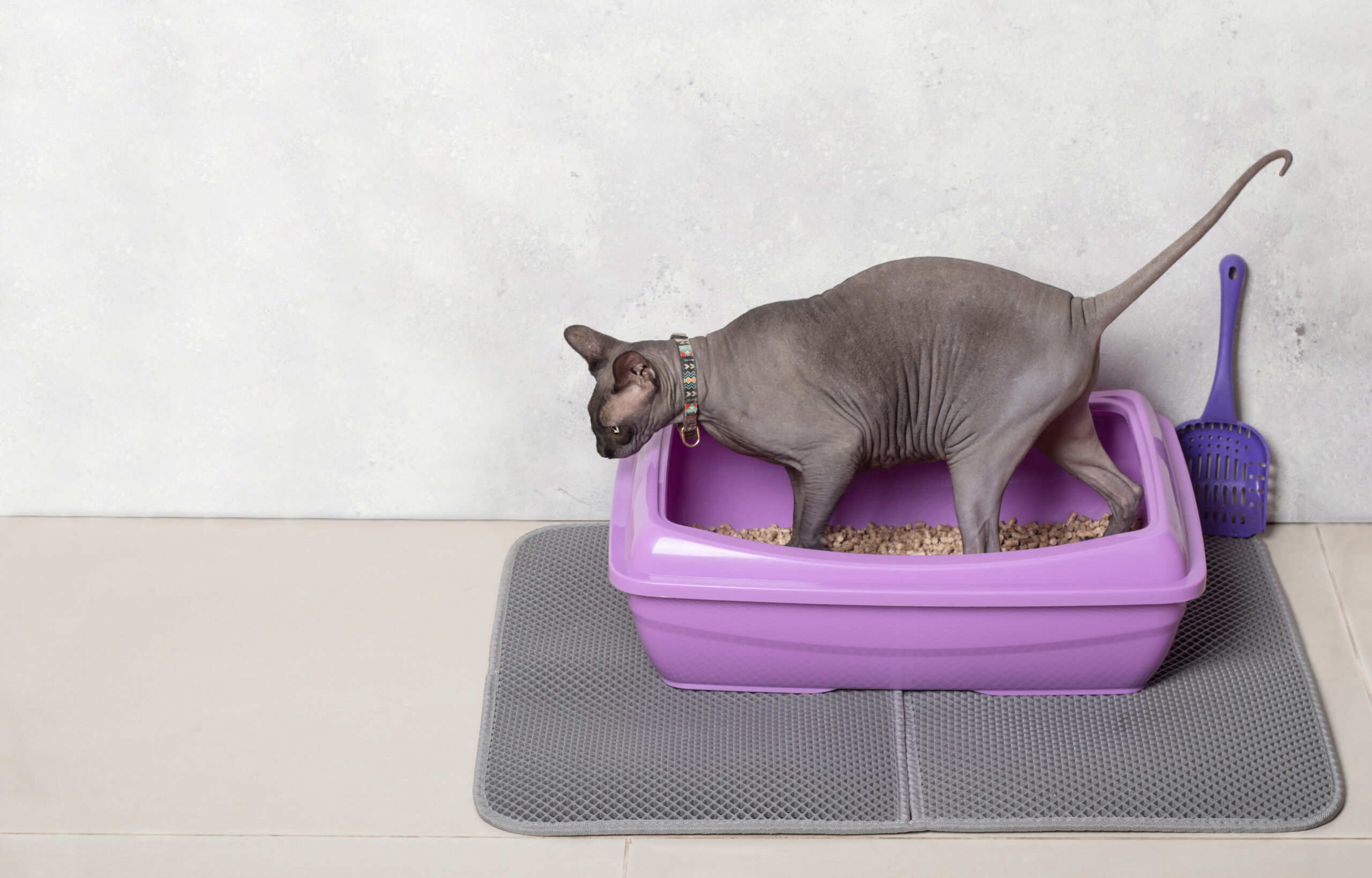
When litter training your kitty, you must choose an appropriate litter box. Firstly, it should be of sufficient size for your furry friend to fit inside and turn around freely. A standard rule of thumb is that a litter box must be about 1.5 times bigger than your cat’s body. If your kitten measures about ten inches in length, you will require a litter box with at least fifteen-inch dimensions.
There are different litter boxes available on the market, and you must select one based on the needs and peculiarities of your feline pet. Covered boxes are excellent options since they reduce odor and contamination; however, they might be challenging for a cat if it requires more freedom. Open boxes are also available, although they are messier due to scattered litter and urine sprays. Finally, there are automatic litter boxes that perform their cleaning automatically.
Before you bring your kitty into your apartment, it is essential to prepare your home for the arrival of the animal. You must select a location that will be dedicated to your feline friend, including a litter box and food and water bowls. Ensure that the litter box is located in a quiet spot without many people nearby since your furry pet will prefer privacy. You can put it in your room if your cat does not require much personal space. However, ensure that the litter box does not have direct access to fresh air because your furry pet might experience cold drafts.
If you adopt a cat that has been kept in captivity before, it might be nervous and frightened when arriving at your home. Therefore, it would be best if you provided a cozy and comfortable space for the animal. You can place your pet’s bed or even a cozy blanket in a quiet place, along with some toys, to keep the animal entertained.
Selecting the correct litter type is vital for proper litter training. It must be safe for your feline pet to consume in case the animal ingests some of it. Clay litters are common, although they might be dusty and harmful for the cat’s respiratory tract. On the other hand, silica gel litter might be too expensive and does not control odors efficiently. Other litters include pine or cedar, which are natural and safe for your pet. However, they might also irritate your kitty’s lungs.
Recycled paper or natural fibers are ideal litters for cats since they do not damage their paws. Moreover, they are environmentally friendly and do not harm the atmosphere.
After you prepare your home for the arrival of your new pet and purchase a litter box, you must teach your feline friend how to use it properly. First, you must place the litter box in its designated area and pour some litter inside. Then, you can encourage the animal to visit the litter box to get accustomed to its smell and texture. You can sprinkle some treats or toys near the litter box to attract the cat’s attention.
Once your kitty gets accustomed to the litter box, you can start teaching it how to use it as a toilet. For instance, you can put the animal inside the litter box after meals and playing sessions. Start with a small amount of litter and increase its volume gradually. Do not try to train your kitty quickly because you can stress your feline friend.
Although litter training might seem relatively simple, it is critical to pay attention to particular mistakes you must avoid. First, you cannot expect your cat to become acquainted with the litter box instantly since it might require several days or weeks to adjust. Be patient with your feline pet and give it time. Second, you must maintain the litter box clean since cats do not like dirty toilets. Therefore, it would be best to scoop solid waste every day and change the litter completely every seven to ten days.
Despite the seeming simplicity, litter training can be complicated sometimes; thus, you must follow several tips to simplify it. First, be patient with your feline pet and give it some time to adjust to a new place. You cannot train the animal immediately, and it will require patience and attention. Second, establish a regular schedule for food and litter box maintenance. Your cat will feel more confident and secure under specific conditions.
In conclusion, litter training your feline friend can be challenging, especially if your kitty is young. However, you can easily train it with appropriate guidance. You must purchase the correct litter box and litter material. Moreover, you must prepare your home for the arrival of your new pet and give it enough time to adjust to its new environment.